



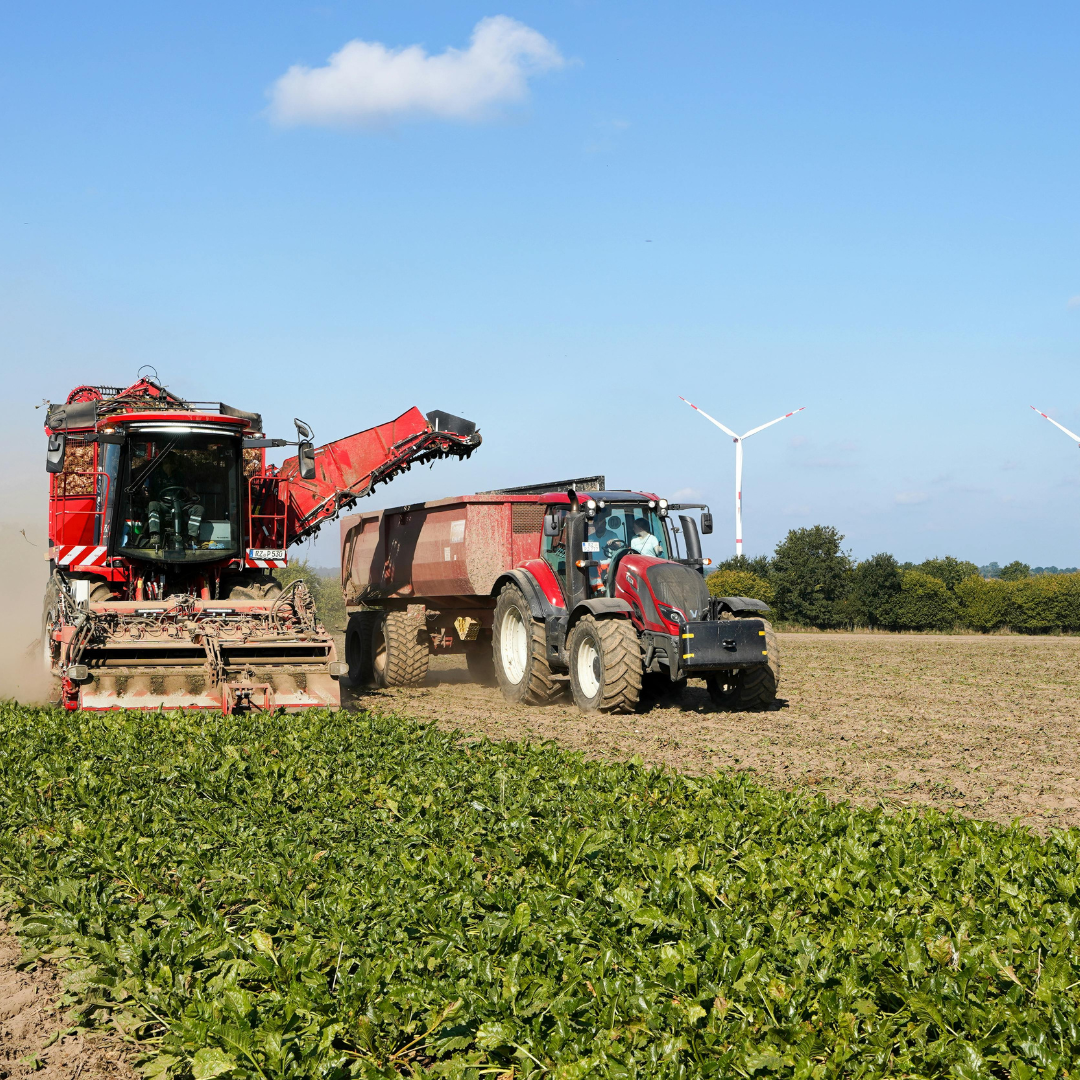
Precision agriculture technology continues gaining momentum across California’s agricultural sector as growers invest in advanced tools designed to improve productivity, conserve resources, and strengthen long-term sustainability. From automated irrigation systems and remote sensors to artificial intelligence-powered crop monitoring platforms, agricultural operations are increasingly relying on technology to address evolving economic and environmental challenges.
The adoption of precision agriculture technology reflects broader changes occurring throughout modern farming. As producers seek greater efficiency while managing labor costs, water availability concerns, and changing climate conditions, technology-driven solutions are becoming an increasingly important part of agricultural decision-making.
Digital Tools Transform Farm Management
Modern farming operations generate large amounts of information related to soil conditions, weather patterns, crop performance, irrigation schedules, and equipment utilization. Precision agriculture technology allows growers to collect, analyze, and apply this information more effectively than traditional management approaches.
Digital platforms can consolidate data from multiple sources and provide actionable insights that support day-to-day operational decisions. Farmers are increasingly using software systems that help optimize planting schedules, fertilizer applications, harvest planning, and resource allocation.
The continued growth of precision agriculture technology is helping agricultural operators move from broad management strategies toward more targeted approaches based on real-time field conditions. This shift can improve efficiency while reducing unnecessary resource consumption.
Automated Irrigation Systems Improve Water Efficiency
Water management remains one of the most important challenges facing agricultural producers. As a result, automated irrigation systems have become a major component of precision agriculture technology adoption across many farming regions.
These systems utilize sensors, weather data, and monitoring platforms to determine when and where irrigation is needed. Instead of relying on fixed schedules, automated systems adjust water delivery based on crop requirements and environmental conditions.
Growers report that precision agriculture technology can help reduce water waste while maintaining crop health and productivity. Improved irrigation efficiency supports both economic objectives and long-term resource conservation efforts.
Water specialists note that advanced irrigation technologies may become increasingly important as agricultural operations adapt to changing climate conditions and evolving water management requirements.
AI Crop Monitoring Expands Across Agricultural Operations
Artificial intelligence is becoming a more significant part of precision agriculture technology as farmers seek better visibility into crop performance and field conditions. AI-powered monitoring systems can analyze images, sensor readings, and environmental data to identify potential issues before they become widespread problems.
These systems help detect crop stress, irrigation deficiencies, pest activity, and disease risks with greater speed and accuracy. Early identification allows growers to respond more quickly and reduce potential impacts on yields and crop quality.
The integration of artificial intelligence into precision agriculture technology is also improving forecasting capabilities. Advanced analytics can help farmers anticipate challenges and make proactive management decisions that improve operational outcomes.
Industry observers expect AI applications to continue expanding as computing capabilities improve and agricultural datasets become more comprehensive.
Sustainability Goals Drive Technology Adoption
Environmental sustainability remains a major factor influencing investment in precision agriculture technology. Growers are increasingly looking for solutions that help reduce resource consumption while maintaining productive operations.
Technologies that improve water efficiency, reduce fertilizer use, and optimize equipment utilization contribute to sustainability objectives without compromising agricultural output. These benefits are becoming increasingly important as consumers, regulators, and industry stakeholders place greater emphasis on environmental performance.
Precision agriculture technology also supports more accurate resource management by allowing farmers to apply inputs only where needed. This targeted approach can reduce waste while improving overall operational efficiency.
Agricultural experts note that sustainable farming practices and technology adoption are becoming increasingly interconnected as producers seek practical solutions to complex environmental challenges.
Remote Sensing and Data Collection Continue Advancing
Remote sensing technologies are playing an expanding role within precision agriculture technology systems. Satellites, drones, and field-based sensors provide valuable information about crop conditions, soil moisture levels, and overall field performance.
These tools allow growers to monitor large areas more efficiently than traditional field inspections alone. High-resolution imagery and sensor networks provide detailed insights that help guide management decisions throughout the growing season.
As remote sensing capabilities improve, precision agriculture technology continues offering greater levels of accuracy and operational visibility. Farmers can evaluate field conditions more frequently and respond to emerging issues with greater confidence.
Technology providers continue developing new monitoring solutions designed to support a wide range of crop types and agricultural environments.
Economic Benefits Support Long-Term Investment
The continued expansion of precision agriculture technology is also driven by economic considerations. Agricultural producers operate in a highly competitive environment where efficiency improvements can significantly affect profitability.
Technology investments often help reduce operational costs by improving resource utilization and minimizing unnecessary expenditures. More accurate irrigation, fertilizer application, and crop management strategies can contribute to stronger financial performance over time.
In addition, precision agriculture technology may help reduce risks associated with unpredictable weather conditions, resource constraints, and fluctuating market dynamics. Improved decision-making capabilities provide growers with additional tools for managing operational uncertainty.
Agricultural economists suggest that technology adoption will likely remain a major factor influencing competitiveness within the farming sector.
Workforce Skills Continue Evolving
As precision agriculture technology becomes more widespread, workforce requirements are also evolving. Farm operators and agricultural employees increasingly need technical skills related to data analysis, software systems, equipment management, and digital monitoring tools.
Educational institutions, agricultural organizations, and technology providers are expanding training opportunities designed to support this transition. Programs focused on digital agriculture help ensure that workers can effectively utilize emerging technologies within modern farming environments.
The growing role of technology is creating new career opportunities that combine agricultural knowledge with technical expertise. These developments are contributing to broader workforce modernization across the agricultural sector.
Research and Innovation Support Future Growth
Research institutions and agricultural technology companies continue investing in innovation designed to improve the capabilities of precision agriculture technology. Advances in artificial intelligence, sensor systems, robotics, and predictive analytics are expected to create additional opportunities for efficiency and sustainability improvements.
Collaboration between researchers, technology developers, and growers remains essential to ensuring that new tools address real-world agricultural challenges. Pilot programs and field trials help evaluate emerging technologies under practical operating conditions.
Industry leaders believe continued innovation will play a major role in helping agriculture adapt to changing economic, environmental, and resource management demands.
Outlook for Precision Agriculture Technology
The future of precision agriculture technology appears increasingly strong as growers continue embracing digital tools that support productivity, sustainability, and operational resilience. Advances in automation, artificial intelligence, and resource management systems are expected to accelerate adoption across a wide range of agricultural operations.
While implementation costs and training requirements remain important considerations, many producers view technology investments as essential to long-term competitiveness. Continued innovation and infrastructure development are likely to support further growth throughout the agricultural sector.
As farming becomes increasingly data-driven, precision agriculture technology will remain a key factor shaping how growers manage resources, improve efficiency, and support sustainable food production in the years ahead.
Explore agricultural innovation programs, precision farming resources, water management initiatives, and technology adoption strategies through the California Department of Food and Agriculture.
Stay informed on agricultural innovation, sustainability initiatives, farming technology trends, and rural economic development by subscribing to RightSideOfCA.com for in-depth coverage and timely updates.