



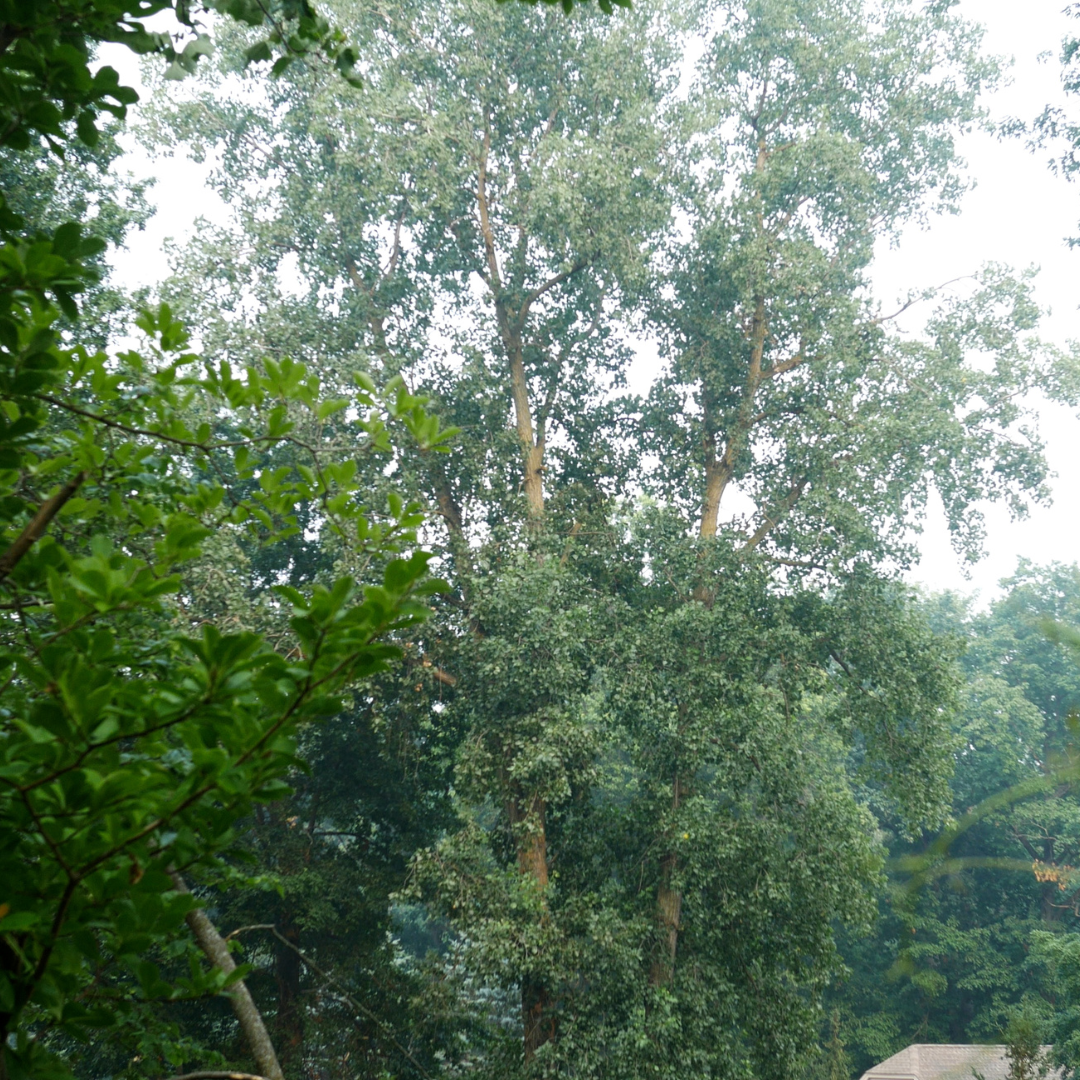
Forest restoration projects continue expanding across California as state agencies, local governments, tribal organizations, and conservation partners increase efforts to reduce wildfire risks through prescribed burns, forest thinning, and vegetation management. These initiatives are designed to improve forest resilience, protect communities, and reduce the accumulation of hazardous fuels that contribute to larger and more destructive wildfires.
The continued investment in forest restoration projects reflects a long-term strategy focused on proactive land management rather than emergency response alone. By restoring healthier forest conditions and reducing excessive vegetation, officials aim to lessen wildfire intensity while improving ecosystem health and protecting critical natural resources.
Prescribed Burns Reduce Hazardous Fuel Loads
Prescribed burning remains one of the most effective tools used within forest restoration projects. Carefully planned and professionally managed burns remove excess vegetation, fallen branches, dead trees, and other combustible materials before they can contribute to uncontrolled wildfires.
Unlike naturally occurring wildfires, prescribed burns are conducted under carefully monitored weather conditions with established safety protocols. Fire management professionals determine the appropriate timing, location, and environmental conditions before any operation begins.
Forest restoration projects that include prescribed fire help restore more natural fire cycles that historically maintained healthier forests. Controlled burning also returns nutrients to the soil, supports native plant regeneration, and creates more diverse wildlife habitats.
Fire scientists continue emphasizing that regular prescribed burning can significantly reduce the intensity and spread of future wildfires while supporting long-term ecosystem resilience.
Forest Thinning Improves Ecosystem Health
Mechanical forest thinning has become another major component of forest restoration projects throughout the state. Crews selectively remove overcrowded trees and dense vegetation to reduce competition for sunlight, water, and nutrients while creating healthier forest conditions.
Many forests have experienced decades of fire suppression, allowing vegetation to accumulate well beyond natural levels. This dense growth increases wildfire intensity by creating continuous fuel sources that enable flames to spread rapidly through forests.
Forest restoration projects using selective thinning improve forest structure while preserving healthy mature trees. Better spacing between trees can reduce fire severity, improve drought resilience, and decrease vulnerability to insect infestations and tree diseases.
Land managers note that thinning operations often complement prescribed burns, creating a comprehensive approach to long-term wildfire prevention.
Vegetation Management Protects Communities
Vegetation management continues playing an essential role in forest restoration projects, particularly in areas where forests meet residential communities. These wildland-urban interface zones require careful management to reduce wildfire risks while protecting homes, businesses, and critical infrastructure.
Vegetation management activities include removing dead brush, trimming overgrown vegetation, clearing invasive plant species, and maintaining defensible space around developed areas. These efforts help slow wildfire spread while improving firefighter access during emergency response operations.
Forest restoration projects near communities also support evacuation planning and emergency preparedness by reducing vegetation that could threaten roads, utility corridors, and communication infrastructure during wildfire events.
Public safety officials encourage property owners to complement broader vegetation management efforts by maintaining defensible space around homes and following wildfire preparedness recommendations.
Tribal Partnerships Strengthen Restoration Efforts
Indigenous communities continue contributing valuable expertise to forest restoration projects through traditional ecological knowledge developed over generations of land stewardship. Many tribal organizations have long utilized cultural burning practices that promote healthier forest ecosystems while reducing wildfire risk.
Collaborative partnerships between tribal governments, public agencies, and conservation organizations are expanding opportunities to integrate traditional fire management techniques into modern restoration planning. These approaches often emphasize ecosystem balance, biodiversity, and long-term sustainability.
Forest restoration projects incorporating tribal knowledge demonstrate how historical land management practices can complement modern scientific research and wildfire prevention strategies.
Officials recognize that collaboration with tribal communities strengthens both ecological restoration and cultural resource stewardship.
Wildlife Habitat Benefits from Restoration
Beyond wildfire prevention, forest restoration projects provide important ecological benefits for wildlife and native plant communities. Healthier forests support greater biodiversity by creating a wider variety of habitats for birds, mammals, reptiles, insects, and other species.
Selective thinning and prescribed burning help restore natural ecosystem processes that many native plants and animals depend upon. Improved forest conditions increase sunlight reaching the forest floor, encouraging the growth of grasses, shrubs, and young trees that provide food and shelter for wildlife.
Forest restoration projects also improve watershed health by reducing soil erosion, protecting stream corridors, and maintaining vegetation that supports healthy aquatic ecosystems.
Conservation biologists note that resilient forests are better able to recover from environmental stressors while supporting diverse biological communities.
Climate Resilience Supports Long-Term Planning
Climate resilience has become an increasingly important objective of forest restoration projects. Longer fire seasons, prolonged droughts, and changing weather patterns continue influencing wildfire behavior, making proactive forest management more important than ever.
Restored forests with healthier tree densities are often better equipped to withstand drought stress and recover from natural disturbances. Reduced competition for water allows remaining trees to maintain stronger growth and greater resistance to environmental challenges.
Forest restoration projects also contribute to long-term carbon management by supporting healthier forests capable of storing carbon more effectively over time. Preventing catastrophic wildfires can help preserve mature forests that play an important role in carbon sequestration.
Researchers continue studying how restoration strategies can improve forest adaptation to future climate conditions.
Economic Benefits Extend to Rural Communities
Forest restoration projects generate economic activity through employment opportunities in forestry, environmental consulting, equipment operation, ecological restoration, and wildfire management. Contractors, conservation organizations, and local businesses often participate in restoration initiatives throughout rural regions.
Timber removed during thinning operations may also support wood product manufacturing, biomass utilization, and renewable energy production where appropriate. These activities create additional economic opportunities while contributing to responsible forest management.
Local communities benefit from infrastructure improvements, workforce training, and increased investment associated with long-term restoration programs.
Economic development specialists emphasize that healthy forests support tourism, recreation, water resources, and outdoor industries that contribute significantly to regional economies.
Technology Improves Forest Management
Modern technology continues enhancing forest restoration projects through satellite imagery, drone surveys, geographic information systems, and advanced wildfire modeling. These tools allow land managers to evaluate forest conditions more accurately and prioritize restoration activities based on scientific data.
Remote sensing technologies help identify vegetation density, drought impacts, insect infestations, and areas requiring treatment. Data-driven planning improves resource allocation while increasing the effectiveness of restoration efforts.
Artificial intelligence and predictive modeling are also supporting wildfire risk assessments by analyzing weather patterns, fuel conditions, and historical fire behavior.
Technology continues providing valuable information that strengthens long-term forest management strategies.
Outlook for Forest Restoration Projects
The outlook for forest restoration projects remains positive as California continues investing in proactive wildfire prevention and ecosystem management. Expanded prescribed burning, forest thinning, vegetation management, and collaborative restoration efforts are expected to strengthen forest resilience while reducing future wildfire risks.
Continued cooperation among state agencies, tribal organizations, local governments, scientists, conservation groups, and private landowners will remain essential for achieving long-term restoration goals. Investments in workforce development, research, and technology are expected to further improve restoration effectiveness in the coming years.
As wildfire prevention continues evolving, forest restoration projects will remain a cornerstone of sustainable land management, helping protect communities, preserve natural resources, and support healthier forests for future generations.
Learn more about forest restoration initiatives, prescribed burning programs, vegetation management, and wildfire prevention resources through CAL FIRE.
Stay informed on environmental conservation, wildfire prevention, forestry initiatives, and public safety developments by subscribing to RightSideOfCA.com for in-depth coverage and timely updates.