



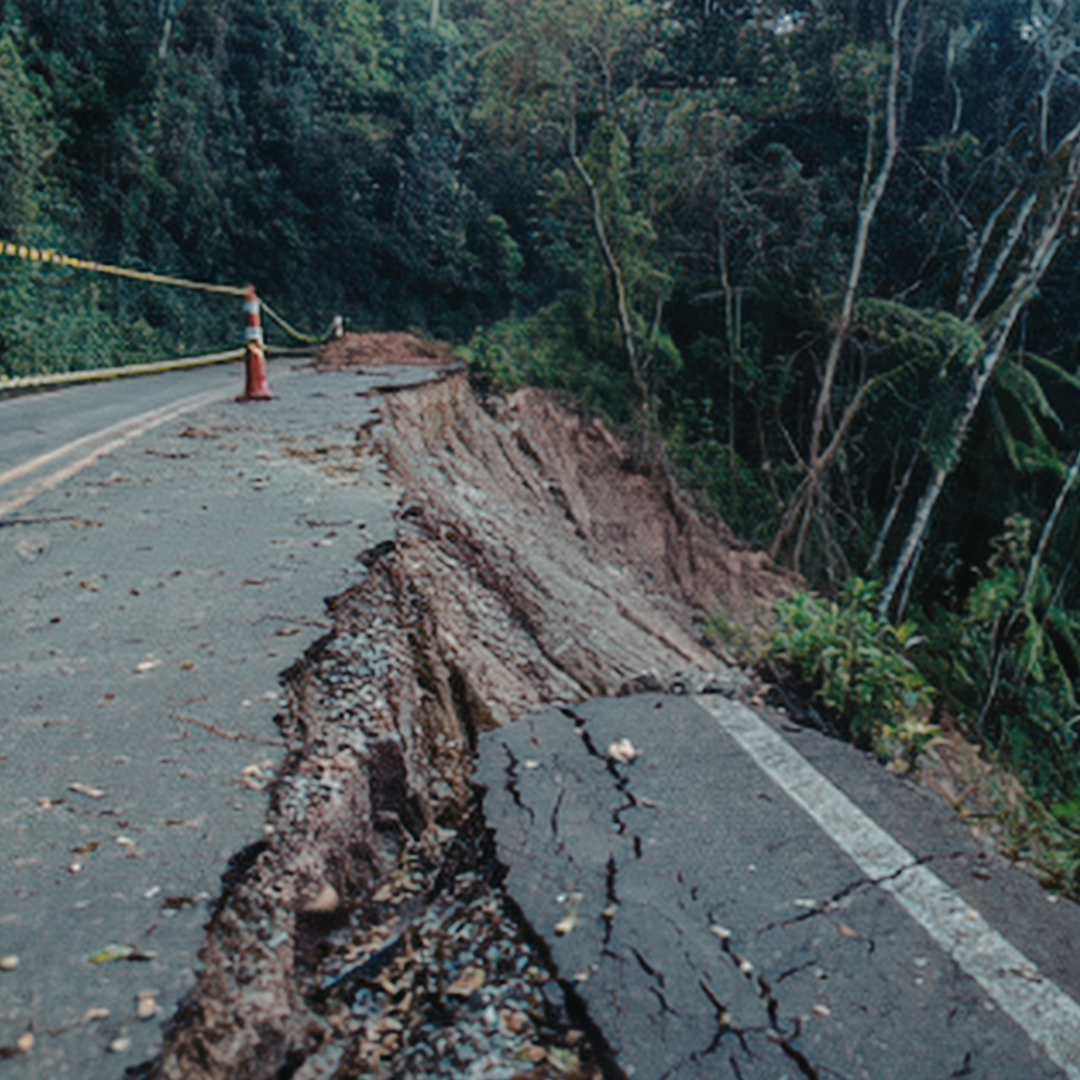
The earthquake early warning system continues advancing across California as state agencies strengthen the ShakeAlert network through technology upgrades, expanded seismic monitoring, and enhanced emergency notification capabilities. These ongoing improvements are designed to provide faster alerts, improve public preparedness, and support emergency response efforts before strong earthquake shaking reaches affected communities.
As one of the nation’s most seismically active states, California continues investing in technologies that help residents, businesses, schools, healthcare providers, and public agencies respond more effectively during earthquake emergencies. The continued modernization of the earthquake early warning system represents an important component of the state’s long-term disaster preparedness strategy.
ShakeAlert Network Continues Expanding
The ShakeAlert network serves as the foundation of California’s earthquake early warning system by utilizing hundreds of seismic monitoring stations positioned throughout the state. These highly sensitive instruments detect the initial seismic waves generated by an earthquake and rapidly transmit information to centralized processing systems.
Once an earthquake is detected, sophisticated software estimates its location, magnitude, and expected shaking intensity. Alerts can then be distributed within seconds to areas expected to experience significant ground motion.
Continuous upgrades to the earthquake early warning system focus on improving sensor coverage, increasing detection speed, and refining data analysis capabilities. These enhancements help deliver more accurate alerts while expanding protection to additional communities.
Emergency management officials note that even a few seconds of warning can provide valuable time for protective actions before stronger shaking begins.
Faster Notifications Improve Public Safety
One of the primary objectives of strengthening the earthquake early warning system is reducing the time required to notify the public. Recent improvements emphasize faster data processing, improved communication networks, and more efficient alert distribution methods.
Emergency notifications may be delivered through wireless emergency alerts, smartphone applications, public warning systems, transportation networks, and participating automated safety systems. Multiple communication channels increase the likelihood that alerts reach individuals quickly during an emergency.
The earthquake early warning system does not predict earthquakes before they occur. Instead, it detects earthquakes immediately after they begin and provides advance notice to locations farther from the epicenter before damaging seismic waves arrive.
Officials emphasize that understanding how the system works helps improve public confidence and encourages appropriate response during emergencies.
Advanced Seismic Monitoring Supports Accuracy
Scientific improvements continue enhancing the performance of the earthquake early warning system through expanded seismic monitoring capabilities. Additional seismic stations provide more comprehensive geographic coverage while improving the accuracy of earthquake detection and location estimates.
Researchers continuously analyze data collected by the monitoring network to refine detection algorithms and improve system reliability. Advances in computing technology allow increasingly complex calculations to be completed within fractions of a second.
The earthquake early warning system also benefits from collaboration among universities, government agencies, and research organizations working to improve seismic science and earthquake monitoring technologies.
These ongoing scientific efforts strengthen the overall effectiveness of emergency warning capabilities.
Public Preparedness Remains Essential
While technology continues improving, emergency preparedness remains an equally important component of earthquake safety. Officials encourage residents to understand how the earthquake early warning system operates and to practice appropriate protective actions before emergencies occur.
Individuals receiving an alert are generally advised to immediately perform protective actions such as “Drop, Cover, and Hold On” if strong shaking is expected. Schools, businesses, hospitals, and government agencies also continue incorporating warning procedures into emergency preparedness planning.
Preparedness education complements the earthquake early warning system by ensuring that individuals know how to respond quickly when alerts are received. Regular earthquake drills help reinforce these protective behaviors.
Emergency management professionals emphasize that technology and public education work together to improve disaster resilience.
Critical Infrastructure Benefits from Early Warnings
The earthquake early warning system provides important benefits for critical infrastructure operators responsible for transportation, utilities, healthcare, communications, and public safety systems. Automated alerts can initiate protective actions before strong shaking reaches essential facilities.
Transit systems may slow or stop trains, utilities can protect sensitive equipment, hospitals may prepare surgical teams, and industrial facilities can activate safety protocols. These automated responses help reduce damage while improving operational continuity during emergencies.
Infrastructure operators continue integrating early warning capabilities into emergency management systems as technology evolves. Such coordination strengthens resilience across multiple sectors that support public safety and economic stability.
Experts note that automation allows valuable protective actions to occur within the limited warning time available.
Technology Continues Advancing
Emerging technologies continue improving the capabilities of the earthquake early warning system. Artificial intelligence, cloud computing, high-speed communications, and advanced data analytics contribute to faster earthquake detection and more efficient information processing.
Machine learning techniques assist researchers in analyzing large volumes of seismic data while improving the accuracy of detection algorithms. Modern communication systems also enhance the speed and reliability of emergency alert distribution.
Technology developers continue evaluating innovations that may further improve warning performance while maintaining the high reliability required for public safety systems.
Continued investment in research supports ongoing modernization of earthquake monitoring infrastructure.
Community Resilience Supports Emergency Planning
Local governments, schools, businesses, and nonprofit organizations continue incorporating the earthquake early warning system into broader community preparedness initiatives. Emergency planning increasingly emphasizes coordinated response strategies that combine warning technology with public education and disaster readiness.
Community organizations conduct preparedness workshops, earthquake drills, and emergency planning exercises that familiarize residents with warning procedures. These activities strengthen local resilience while encouraging proactive disaster preparedness.
Officials note that communities prepared to respond quickly can reduce injuries, improve emergency coordination, and recover more effectively following significant earthquakes.
Building resilience remains a shared responsibility involving government agencies, private organizations, and individual residents.
Scientific Collaboration Drives Continuous Improvement
California’s earthquake early warning system continues benefiting from scientific collaboration among geologists, engineers, emergency managers, universities, and technology experts. Research institutions regularly evaluate system performance and identify opportunities for further enhancement.
International collaboration also contributes valuable knowledge as researchers compare experiences with earthquake warning systems operating in other seismically active regions around the world.
Ongoing scientific research supports improvements in sensor technology, communication networks, computational methods, and public notification systems. These efforts ensure that the warning system continues evolving alongside advances in earthquake science.
Experts emphasize that continuous evaluation remains essential for maintaining system effectiveness under changing technological and environmental conditions.
Outlook for the Earthquake Early Warning System
The outlook for the earthquake early warning system remains positive as California continues investing in advanced seismic monitoring, emergency communications, and public preparedness initiatives. Future upgrades are expected to further improve detection accuracy, notification speed, and integration with critical infrastructure systems.
Expanded sensor networks, enhanced data processing capabilities, and broader public awareness campaigns will continue strengthening the state’s disaster preparedness framework. Collaboration among scientific institutions, emergency management agencies, and technology providers will remain essential to supporting long-term progress.
Although earthquakes cannot be prevented or predicted before they begin, the continued advancement of the earthquake early warning system provides valuable opportunities to reduce risk, improve emergency response, and enhance public safety. As technology and preparedness efforts continue evolving, the system will remain a critical tool supporting California’s resilience against future seismic events.
Learn more about ShakeAlert, earthquake preparedness resources, emergency planning guidance, and statewide disaster resilience programs through the California Governor’s Office of Emergency Services.
Stay informed on emergency preparedness, public safety initiatives, disaster resilience, and statewide infrastructure developments by subscribing to RightSideOfCA.com for in-depth coverage and timely updates.