



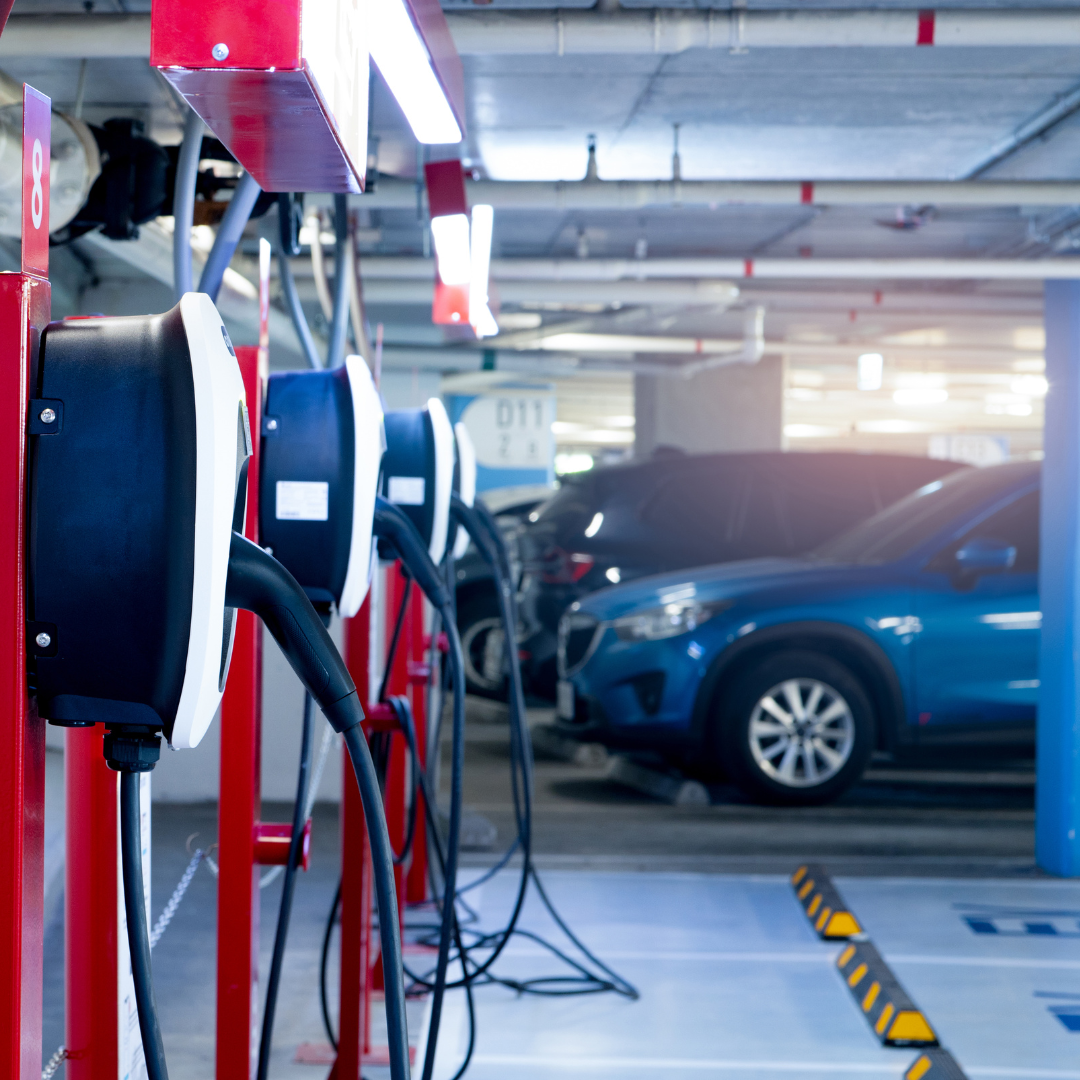
EV charging infrastructure continues expanding across California as transportation agencies, utilities, logistics providers, and private-sector partners accelerate the deployment of heavy-duty charging networks along major freight corridors. The initiative supports the growing transition toward commercial fleet electrification while strengthening the state’s long-term transportation, energy, and environmental objectives.
As commercial transportation increasingly adopts zero-emission vehicles, reliable EV charging infrastructure has become essential for supporting freight movement, supply-chain efficiency, and operational reliability. Strategic investments along key highways and logistics hubs are helping create a connected charging network capable of serving medium- and heavy-duty electric trucks operating throughout the state.
Freight Corridors Become a Priority for Charging Networks
Major freight routes are receiving increased attention as planners identify locations where commercial vehicles require dependable charging access. High-traffic transportation corridors connecting ports, distribution centers, manufacturing facilities, and inland logistics hubs are considered essential for supporting fleet electrification.
The expansion of EV charging infrastructure along these routes allows commercial operators to plan longer trips while maintaining operational flexibility. Charging locations are being designed to accommodate larger vehicles with higher energy requirements than passenger electric vehicles.
Transportation officials note that freight corridors represent one of the most important components of statewide electrification because commercial trucking supports nearly every sector of the economy. Reliable charging availability improves confidence among fleet operators considering investment in electric vehicles.
Heavy-Duty Fleet Electrification Continues Growing
Commercial fleet operators are steadily introducing battery-electric trucks into regional delivery, drayage, municipal service, and freight transportation operations. Improvements in battery technology, vehicle performance, and charging capabilities are making electric trucks increasingly practical for many applications.
EV charging infrastructure is developing alongside this transition by providing the energy capacity needed to support larger commercial vehicles. Heavy-duty charging systems deliver significantly higher power levels than conventional public charging stations, allowing trucks to return to service more quickly.
Fleet managers emphasize that dependable charging access remains one of the most important factors influencing future vehicle purchasing decisions. Continued infrastructure expansion helps reduce operational uncertainty while supporting broader fleet modernization efforts.
Logistics Industry Supports Infrastructure Investment
Logistics companies, warehouse operators, and freight carriers are actively participating in EV charging infrastructure development through partnerships with utilities, transportation agencies, and private charging providers.
Distribution centers are increasingly evaluating on-site charging installations that allow commercial vehicles to recharge during loading, unloading, and scheduled maintenance activities. This integrated approach improves operational efficiency while reducing downtime.
The logistics sector recognizes that electrification may provide long-term operational benefits through reduced fuel costs, lower maintenance requirements, and improved environmental performance. Investments in EV charging infrastructure support these objectives while preparing facilities for future transportation trends.
Industry analysts expect continued collaboration between logistics providers and public agencies as commercial electrification expands.
Utilities Prepare for Rising Electricity Demand
The continued expansion of EV charging infrastructure requires close coordination with electric utilities responsible for delivering reliable power to charging facilities. Utility providers are evaluating future electricity demand while planning transmission upgrades, distribution improvements, and grid modernization projects.
Infrastructure planners are assessing where additional capacity will be needed to support heavy-duty charging stations without affecting system reliability. Advanced forecasting models help utilities anticipate future charging demand based on transportation trends and commercial fleet adoption.
Energy experts note that transportation electrification presents opportunities to strengthen long-term grid planning through coordinated infrastructure investment. Careful planning allows utilities to support growing electricity demand while maintaining reliable service for residential, commercial, and industrial customers.
Smart Charging Technology Improves Efficiency
Modern EV charging infrastructure increasingly incorporates smart charging technologies designed to improve energy management and operational performance. Digital platforms allow charging stations to communicate with utility systems, optimize charging schedules, and manage electricity demand more effectively.
Fleet operators can use software applications to monitor charging status, schedule vehicle charging during lower-demand periods, and track energy consumption across multiple facilities. These capabilities improve operational planning while supporting more efficient use of electrical resources.
Artificial intelligence and predictive analytics are also being integrated into charging management systems. These technologies help forecast charging demand, identify maintenance needs, and improve overall network reliability.
Technology developers continue refining smart charging solutions as commercial electrification expands across transportation sectors.
Economic Benefits Extend Beyond Transportation
The expansion of EV charging infrastructure contributes to broader economic activity through construction, engineering, manufacturing, and technology development. Infrastructure projects generate demand for electrical equipment, specialized contractors, software providers, and maintenance services.
As charging networks continue growing, additional employment opportunities emerge in infrastructure planning, energy management, equipment installation, and ongoing system operations. These projects also encourage investment in supporting industries that supply components and technical services.
Economic development specialists view transportation electrification as an important driver of innovation and industrial growth. Infrastructure investments often stimulate additional private-sector activity while strengthening regional competitiveness.
The continued expansion of charging networks also supports businesses that depend on efficient commercial transportation systems.
Environmental Goals Align with Infrastructure Expansion
The growth of EV charging infrastructure supports broader efforts to reduce transportation-related emissions while improving air quality. Heavy-duty trucks contribute significantly to freight movement, making fleet electrification an important component of long-term environmental planning.
Electric commercial vehicles produce no tailpipe emissions during operation, helping reduce pollutants in communities located near freight corridors and distribution centers. When combined with increasing renewable electricity generation, transportation electrification can contribute to long-term sustainability objectives.
Environmental planners emphasize that charging infrastructure is essential for enabling widespread adoption of zero-emission commercial vehicles. Without reliable charging networks, broader electrification goals would be difficult to achieve.
Continued infrastructure investment therefore supports both economic and environmental priorities simultaneously.
Public-Private Partnerships Accelerate Deployment
Many EV charging infrastructure projects are being developed through partnerships involving government agencies, utility companies, transportation organizations, and private businesses. Collaborative investment models allow stakeholders to share expertise, coordinate planning, and accelerate project implementation.
Public agencies often provide strategic planning, funding assistance, and regulatory coordination, while private companies contribute engineering expertise, technology solutions, and operational experience. Utilities play a central role by ensuring sufficient electrical capacity for future charging demand.
Industry leaders believe these partnerships will remain critical as charging networks continue expanding to meet growing commercial transportation needs.
Coordinated planning also helps ensure that infrastructure investments align with broader transportation and economic development strategies.
Future Outlook for EV Charging Infrastructure
The outlook for EV charging infrastructure remains highly positive as commercial fleet electrification continues gaining momentum throughout 2026. Growing adoption of battery-electric trucks, continued investment in freight corridor charging, and advances in charging technology are expected to drive further infrastructure expansion.
Future projects will likely focus on increasing charging capacity, improving charging speeds, integrating renewable energy resources, and strengthening grid resilience. These improvements will support broader transportation modernization while helping businesses transition toward lower-emission freight operations.
As technology continues evolving, EV charging infrastructure will remain a foundational element of the state’s transportation strategy. Continued collaboration among transportation agencies, utilities, logistics providers, and technology developers will help ensure that commercial fleet electrification progresses efficiently while supporting long-term economic growth and sustainable mobility.
Learn more about statewide EV charging investments, freight corridor electrification projects, clean transportation initiatives, and energy infrastructure planning through the California Energy Commission.
Stay informed on clean transportation, infrastructure development, energy innovation, and emerging mobility trends by subscribing to RightSideOfCA.com for in-depth coverage and timely updates.