

Cargo stabilization trends are becoming increasingly visible across California’s major maritime gateways as freight activity remains steady and logistics modernization efforts continue advancing. Port officials and industry observers report that infrastructure investments, operational improvements, and technology upgrades are helping create a more resilient supply-chain environment following years of global shipping disruptions.
As international trade volumes normalize and transportation networks adapt to changing market conditions, cargo stabilization trends are providing encouraging signs for businesses that rely on efficient freight movement. The continued performance of California’s ports remains important not only for regional commerce but also for national and international supply-chain operations.
Port Operations Show Greater Consistency
Recent shipping activity indicates that cargo stabilization trends are contributing to more predictable port operations across key freight hubs. Importers, exporters, and logistics providers have benefited from improvements in cargo processing efficiency and reduced operational bottlenecks compared to conditions experienced during previous periods of congestion.
Port administrators continue working with shipping companies, rail operators, trucking providers, and warehouse networks to improve cargo movement throughout the supply chain. These collaborative efforts have helped strengthen coordination between transportation sectors while supporting more reliable freight flows.
Industry analysts note that cargo stabilization trends often reflect broader improvements in logistics planning and operational flexibility. As ports adapt to evolving market demands, stakeholders are gaining greater confidence in long-term transportation reliability.
Infrastructure Investments Support Efficiency
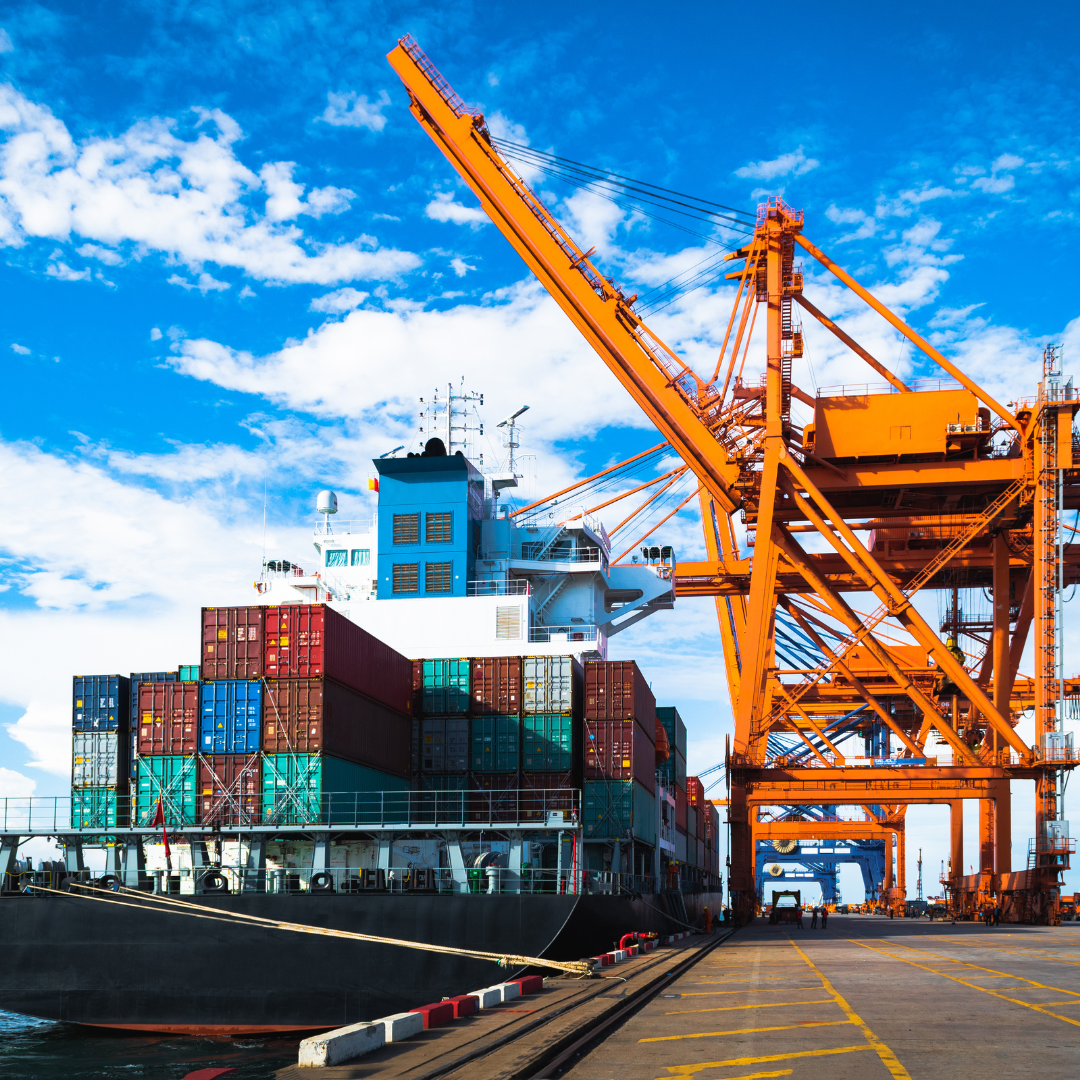
Significant infrastructure improvements have contributed to cargo stabilization trends throughout California’s port system. Modernization projects involving terminals, rail connections, cargo-handling equipment, and digital logistics platforms are helping facilities manage freight volumes more effectively.
Port operators continue investing in technologies designed to improve operational visibility and streamline cargo processing. Automated systems, data-sharing platforms, and advanced scheduling tools are increasingly being integrated into day-to-day operations to support faster decision-making and resource allocation.
These investments are intended to strengthen long-term competitiveness while helping ports accommodate future growth in international trade activity. Enhanced infrastructure also improves operational resilience during periods of fluctuating demand.
Logistics Modernization Improves Supply-Chain Performance
The ongoing modernization of logistics networks is another factor supporting cargo stabilization trends. Transportation providers are increasingly utilizing digital tools that improve freight tracking, inventory management, and shipment coordination across complex supply chains.
Advanced analytics and real-time monitoring technologies allow logistics operators to identify disruptions more quickly and adjust routing strategies when necessary. These capabilities help reduce delays while improving overall freight movement efficiency.
Cargo stabilization trends are also benefiting from stronger coordination among maritime, rail, trucking, and warehouse sectors. Improved communication across transportation networks enables stakeholders to respond more effectively to changing conditions while maintaining service continuity.
Freight Activity Remains an Economic Indicator
Freight movement through California ports serves as an important indicator of broader economic activity. Strong cargo volumes often reflect healthy consumer demand, active manufacturing sectors, and ongoing international trade relationships.
Current cargo stabilization trends suggest that freight networks are operating within a more balanced environment compared to previous years marked by extreme volatility. While global economic conditions continue influencing trade patterns, improved operational consistency is supporting greater predictability throughout the logistics sector.
Economic analysts emphasize that efficient freight movement remains essential for maintaining business productivity and supply availability. Stable cargo operations help reduce uncertainty for companies managing inventory and distribution strategies.
Technology Plays a Growing Role
Technology adoption continues transforming how ports manage cargo operations. Digital systems supporting cargo stabilization trends are increasingly used to improve visibility across shipping networks and optimize operational performance.
Artificial intelligence, predictive analytics, and automated cargo-handling technologies are helping port operators process shipments more efficiently while reducing administrative complexity. These innovations support faster movement of goods and improved utilization of available resources.
Technology investments are also contributing to sustainability goals by improving equipment efficiency and reducing unnecessary transportation delays. As digital transformation expands, ports are expected to continue integrating advanced operational tools into logistics management strategies.
Environmental Initiatives Complement Modernization Efforts
Many modernization projects supporting cargo stabilization trends are also aligned with environmental objectives. Port authorities continue investing in cleaner equipment, emissions-reduction programs, and energy-efficient infrastructure improvements.
Electrification initiatives, alternative fuel programs, and sustainable transportation technologies are helping reduce environmental impacts associated with freight operations. These efforts support broader state and industry goals related to air quality and emissions reduction.
Officials note that balancing economic growth with environmental responsibility remains an important component of long-term port planning. Sustainable infrastructure investments can support both operational performance and environmental stewardship.
Supply-Chain Resilience Continues Improving
One of the most important outcomes associated with cargo stabilization trends is enhanced supply-chain resilience. Businesses increasingly value transportation systems capable of adapting to changing market conditions while maintaining reliable service levels.
The lessons learned from previous disruptions have encouraged greater focus on contingency planning, infrastructure diversification, and operational flexibility. These improvements help reduce vulnerability to unexpected challenges affecting global trade networks.
Resilient supply chains contribute to economic stability by supporting the continuous movement of goods across industries ranging from retail and manufacturing to healthcare and agriculture.
Workforce Development Supports Long-Term Growth
The continued success of cargo stabilization trends also depends on workforce development efforts across the logistics and transportation sectors. Ports, terminal operators, and transportation companies continue investing in employee training programs designed to support evolving operational requirements.
Modern freight systems increasingly require expertise in technology management, equipment operation, data analysis, and logistics coordination. Workforce development initiatives help ensure that employees are prepared to support modernized transportation infrastructure.
Industry leaders view skilled labor as a critical component of maintaining operational efficiency and sustaining long-term competitiveness within global shipping markets.
Outlook for Cargo Stabilization Trends
Port officials and transportation analysts expect cargo stabilization trends to remain an important indicator of supply-chain health throughout 2026. Continued infrastructure investments, technology deployment, and logistics modernization efforts are likely to support further operational improvements.
While global trade conditions may continue evolving, California’s major ports appear well-positioned to manage future freight demands through a combination of modernization, collaboration, and strategic planning. These developments contribute to stronger transportation networks and improved economic resilience.
As shipping activity continues adapting to changing market dynamics, cargo stabilization trends provide encouraging evidence that supply chains are becoming more efficient, flexible, and capable of supporting long-term economic growth.
Explore the latest cargo statistics, modernization projects, sustainability initiatives, and operational updates from the Port of Los Angeles to learn how freight activity is supporting supply-chain resilience and economic growth.
Stay informed on California infrastructure projects, logistics developments, supply-chain trends, and economic growth by subscribing to RightSideOfCA.com for in-depth coverage and timely updates.