


Water recycling projects continue expanding across California as public agencies increase investment in infrastructure designed to improve water reliability, strengthen groundwater resources, and support long-term drought resilience. As climate variability continues influencing water planning strategies, communities throughout the state are adopting recycled water systems and groundwater recharge initiatives to diversify supply sources and improve long-term sustainability.
The growing emphasis on water recycling projects reflects a broader shift toward resource management strategies that maximize existing supplies while reducing dependence on imported water and seasonal precipitation. Water officials increasingly view recycling technologies as a critical component of future water security planning.
Growing Demand for Sustainable Water Solutions
Water agencies continue evaluating ways to meet future demand while adapting to changing environmental conditions. Population growth, economic development, and climate-related challenges have increased the importance of building resilient water systems capable of supporting long-term needs.
As a result, water recycling projects are becoming more common across both urban and agricultural regions. These initiatives allow communities to capture, treat, and reuse water that would otherwise be discharged from wastewater systems, creating additional supply opportunities without requiring new natural water sources.
Water managers note that recycled water programs provide a reliable source of supply that is less dependent on weather conditions than traditional surface water resources. This reliability is becoming increasingly valuable as agencies prepare for future drought cycles.
Groundwater Recharge Expands Across Multiple Regions
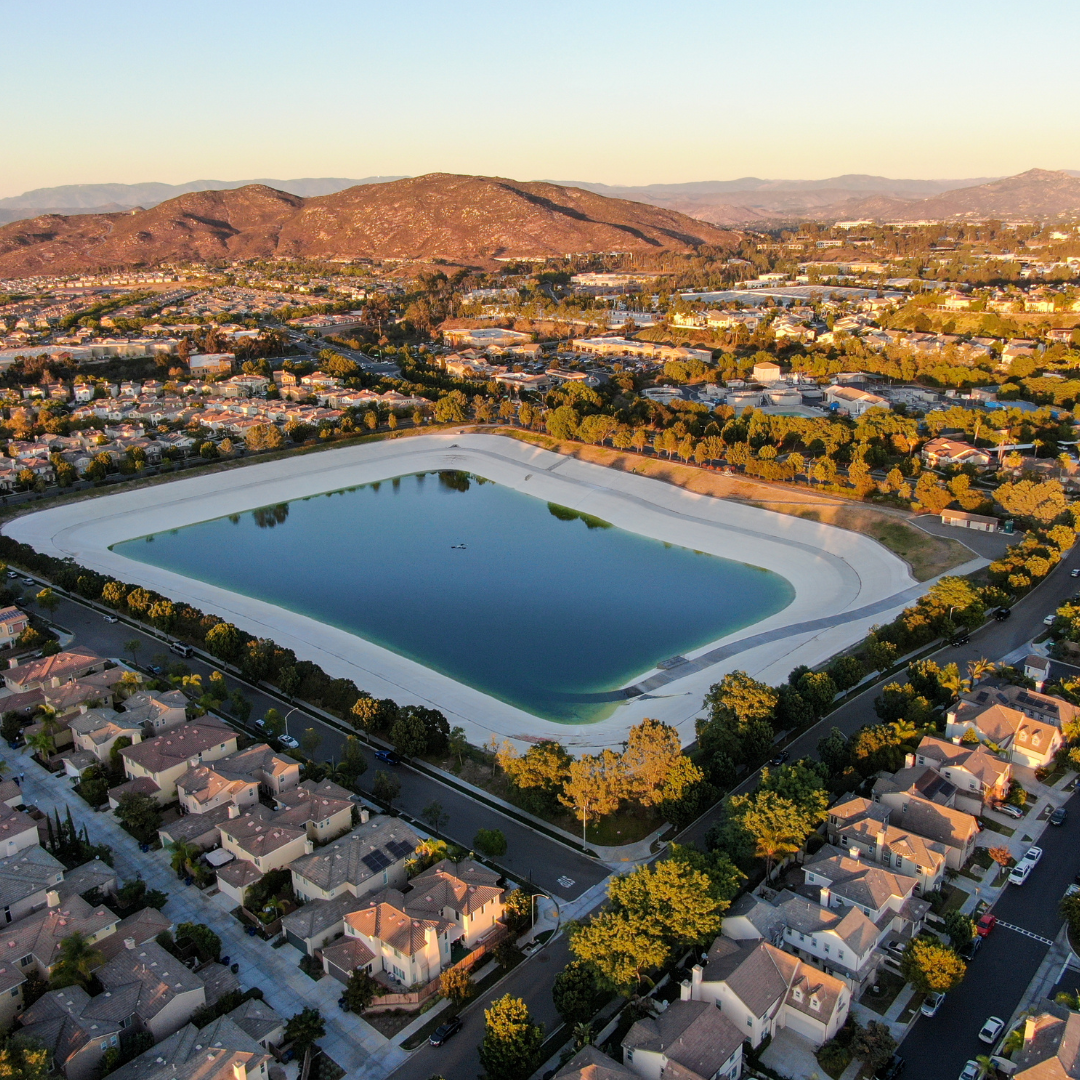
Many modern water recycling projects include groundwater recharge components designed to replenish underground aquifers. Recharge programs typically involve treating water to high-quality standards before allowing it to infiltrate groundwater basins through spreading grounds, recharge ponds, or injection systems.
Groundwater resources serve as an important reserve during periods of drought, making recharge efforts a major focus for long-term water planning. Increasing groundwater levels can improve supply reliability while helping agencies manage future water shortages more effectively.
Water experts emphasize that groundwater recharge supports both environmental and economic objectives. Healthy aquifers provide critical flexibility during dry years while helping stabilize water availability for residential, agricultural, and industrial users.
Infrastructure Investments Continue Increasing
The expansion of water recycling projects is supported by significant infrastructure investment throughout the state. Water agencies are constructing advanced treatment facilities, pipeline networks, storage systems, and distribution infrastructure capable of delivering recycled water safely and efficiently.
Many of these projects incorporate advanced treatment technologies designed to meet strict water quality standards. Modern systems utilize filtration, biological treatment processes, and disinfection technologies that allow recycled water to be used for irrigation, industrial operations, groundwater recharge, and other beneficial purposes.
Infrastructure planners view these investments as essential to strengthening long-term water resilience. Modernized facilities improve operational flexibility while helping agencies respond to changing supply and demand conditions.
Recycled Water Supports Multiple Uses
One advantage of water recycling projects is their ability to support a variety of water needs. Recycled water is commonly used for landscape irrigation, agricultural operations, industrial cooling systems, and groundwater replenishment efforts.
Expanding the use of recycled water helps preserve higher-quality drinking water supplies for residential consumption while reducing pressure on traditional water sources. This balanced approach allows agencies to allocate resources more efficiently across multiple sectors.
Water professionals note that recycled water systems can also improve overall system reliability by creating locally controlled supplies that are less vulnerable to external disruptions or changing environmental conditions.
Drought Resilience Remains a Key Objective
Strengthening drought resilience remains one of the primary goals behind the continued expansion of water recycling projects. California has experienced multiple periods of severe drought over recent decades, highlighting the importance of diversified water management strategies.
By developing alternative supply sources, agencies can reduce dependence on snowpack, imported water, and unpredictable precipitation patterns. Water recycling projects provide a dependable source of water even during prolonged dry conditions, helping communities maintain stability when natural supplies become constrained.
Officials emphasize that drought preparedness requires long-term planning. Investments made today are intended to improve system flexibility and resource availability for future generations.
Technology Improves Water Management Efficiency
Advances in treatment and monitoring technologies continue enhancing the effectiveness of water recycling projects. Modern facilities utilize sophisticated sensors, automated controls, and real-time data systems to improve operational performance and ensure water quality compliance.
Digital monitoring capabilities allow operators to identify potential issues quickly and make adjustments that improve efficiency. These technologies also help agencies optimize treatment processes while reducing operational costs over time.
As innovation continues, water recycling projects are expected to become even more effective and scalable, allowing additional communities to benefit from recycled water infrastructure.
Environmental Benefits Extend Beyond Water Supply
In addition to improving supply reliability, water recycling projects provide several environmental benefits. Recycling water reduces demand on rivers, reservoirs, and groundwater basins while supporting more sustainable resource management practices.
Groundwater recharge initiatives can help restore aquifer health and reduce the effects of over-pumping in some regions. Recycled water programs may also lower the volume of treated wastewater discharged into sensitive environmental areas, creating additional ecological benefits.
Environmental planners increasingly view water recycling as an important tool for balancing human water needs with long-term ecosystem protection objectives.
Economic Value of Long-Term Water Reliability
Reliable water supplies are essential for economic stability. Communities, businesses, agricultural operations, and industrial facilities all depend on predictable access to water resources for daily operations and future growth.
Water recycling projects help support economic development by increasing supply reliability and reducing exposure to water shortages. Infrastructure investments also generate construction activity, engineering opportunities, and long-term operational employment.
Economic analysts note that resilient water systems contribute to broader community stability by helping protect critical services and supporting sustainable growth across multiple sectors.
Future Outlook for Water Recycling Projects
Water officials expect water recycling projects to remain a major focus of infrastructure planning throughout the coming years. Continued investment in recycled water systems, groundwater recharge programs, and advanced treatment technologies is likely as agencies work to strengthen long-term resource resilience.
While challenges involving funding, permitting, and infrastructure development remain, momentum behind recycled water expansion continues growing. Communities increasingly recognize the value of creating diversified water portfolios capable of adapting to future environmental and economic conditions.
The continued growth of water recycling projects demonstrates a long-term commitment to improving water reliability, enhancing drought preparedness, and supporting sustainable resource management throughout California.
Learn more about statewide water recycling programs, groundwater recharge initiatives, drought preparedness strategies, and infrastructure investments through the California Department of Water Resources.Stay informed on water policy, infrastructure development, environmental planning, and drought resilience initiatives by subscribing to RightSideOfCA.com for in-depth coverage and timely updates.