


Greenland policy markets showed signs of stabilization after remarks from Donald Trump helped ease investor concerns surrounding geopolitical tensions connected to Greenland policy discussions. Financial markets reacted positively after Trump publicly stated that military force would not be used in matters involving Greenland, contributing to improved investor confidence and broader stock market gains.
Analysts monitoring Greenland policy markets noted that investor sentiment improved shortly after the comments were delivered during international economic discussions. Financial sectors sensitive to geopolitical uncertainty responded favorably as traders interpreted the remarks as a signal of reduced international escalation risk.
Investor Sentiment Improves Following Diplomatic Remarks
Global investors closely monitor geopolitical developments because uncertainty often affects equity performance, commodity pricing, and international trade expectations. In this case, Greenland policy markets responded positively because the remarks reduced concerns surrounding possible military confrontation or diplomatic instability in Arctic-related policy discussions.
Market analysts explained that investors generally favor predictability and diplomatic stability. Statements emphasizing negotiation and cooperation often help reduce volatility, particularly when global strategic regions or international alliances are involved.
Several major stock indexes reportedly moved higher following the comments, reflecting improved market sentiment across sectors tied to international commerce, manufacturing, and energy. Financial observers noted that reduced geopolitical anxiety can influence investor confidence even when broader economic conditions remain mixed.
Arctic Policy Discussions Continue Drawing Global Attention
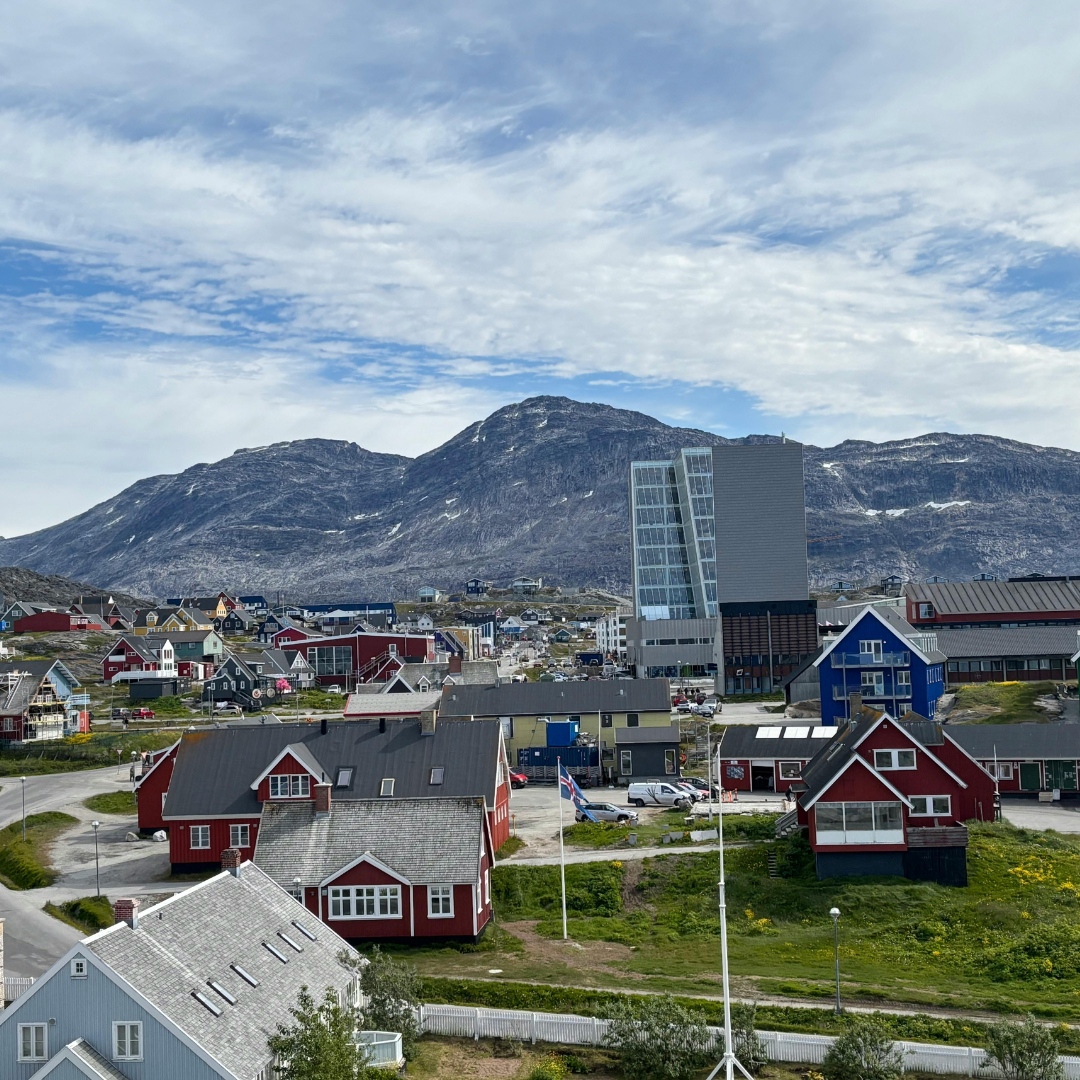
Greenland policy markets remain closely connected to broader geopolitical discussions involving Arctic resources, shipping routes, and international strategic positioning. Greenland’s geographic location has increasingly attracted attention from global powers due to its economic, environmental, and defense significance.
Policy analysts note that Arctic cooperation has become an increasingly important topic as climate conditions reshape access to trade routes and natural resources. Diplomatic engagement surrounding Greenland is therefore viewed not only through a regional lens but also within the context of global economic strategy.
The latest remarks helped reassure investors that negotiations and diplomatic processes would remain central to discussions involving Arctic interests. Reduced speculation about potential conflict contributed to calmer trading activity across financial markets.
Financial Markets Respond to Reduced Geopolitical Risk
Geopolitical uncertainty often creates market instability because investors attempt to assess how international tensions may affect trade relationships, commodity prices, and economic growth. Greenland policy markets reacted positively because diplomatic language suggested a lower probability of sudden escalation.
Investment strategists observed that markets frequently respond quickly to signals indicating reduced international friction. Statements promoting negotiation and restraint can improve confidence among institutional investors, particularly during periods when global markets are already sensitive to inflation, interest rates, or supply chain concerns.
Some analysts also pointed to improved stability in currency markets and international equities following the remarks. Reduced geopolitical stress tends to support broader investment activity by lowering perceived global risk exposure.
Diplomatic Messaging Influences Economic Confidence
The reaction in Greenland policy markets highlights the broader relationship between political communication and financial stability. Statements made by national leaders can significantly influence investor expectations, particularly when they involve international relations or strategic policy decisions.
Diplomatic messaging often affects markets because investors evaluate not only policy outcomes but also the likelihood of conflict, sanctions, or trade disruption. Language emphasizing cooperation and negotiation generally contributes to more stable trading conditions.
Economic analysts note that financial markets increasingly respond in real time to geopolitical developments due to rapid global information flows and algorithmic trading systems. This creates an environment where public statements from political leaders can have immediate economic consequences.
Arctic Cooperation and Strategic Interests
Discussions involving Greenland continue to attract international attention because Arctic regions are becoming increasingly important for economic and strategic planning. Melting ice routes, resource access, and geopolitical positioning have elevated Arctic policy discussions among major global economies.
Greenland policy markets may continue responding to future diplomatic developments as governments assess long-term strategic interests in the region. Investors are likely to remain attentive to any statements that influence international cooperation, resource access, or regional stability.
Experts suggest that maintaining diplomatic engagement will remain essential for preventing unnecessary market volatility connected to Arctic policy discussions. Predictable negotiations and international coordination are generally viewed as favorable conditions for long-term economic stability.
Market Stability Reflects Broader Economic Sensitivities
The positive response within Greenland policy markets also reflects broader investor sensitivity to geopolitical risk in 2026. Financial markets remain highly reactive to international developments due to ongoing concerns involving inflation, global trade conditions, energy pricing, and regional security issues.
When uncertainty surrounding international relations decreases, markets often interpret the shift as supportive of economic continuity and investment stability. This dynamic was visible following the diplomatic remarks related to Greenland discussions.
Analysts emphasize that while markets can react strongly to political developments in the short term, longer-term economic performance will continue depending on broader fiscal policy, corporate earnings, and global growth conditions.
Outlook for Greenland Policy Markets
Financial observers expect Greenland policy markets to remain sensitive to future diplomatic and geopolitical developments involving Arctic strategy and international cooperation. Investors will likely continue monitoring statements from political leaders and policy officials for signals regarding stability and negotiation priorities.
The latest market response demonstrates how diplomatic communication can directly influence investor psychology and broader financial sentiment. Reduced geopolitical anxiety contributed to calmer market conditions and reinforced the importance of negotiation-focused international engagement.
As Arctic policy discussions continue evolving, market participants are expected to remain attentive to developments that may affect global trade, resource strategy, and international economic confidence.
Read the full financial market analysis and diplomatic coverage surrounding Greenland policy discussions at MarketWatch for additional investor insights and economic reporting.
Stay informed on global economic developments, geopolitical market trends, and international policy updates by subscribing to RightSideOfCA.com for in-depth coverage and timely analysis.