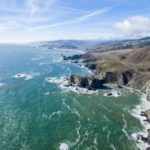



Los Angeles post-fire beaches are showing encouraging environmental results following a scientific assessment of coastal areas affected by recent wildfire activity. A detailed survey of beach sand samples found no dangerous levels of lead or other heavy metals, easing earlier concerns about widespread contamination along the Southern California coastline.
Scientific Survey Finds Low Contamination Risk
Researchers analyzing Los Angeles post-fire beaches tested multiple coastal sites to evaluate whether wildfire runoff had introduced harmful substances into shoreline environments. The findings indicate that metal concentrations in sand samples remain within safe environmental thresholds, suggesting limited long-term contamination risk from recent fire events.
Environmental scientists involved in the study noted that while wildfires can often raise concerns about ash and debris entering coastal systems, natural dispersion processes and ocean dynamics may have helped reduce potential accumulation. The results provide an important data point for ongoing coastal monitoring efforts.
Positive Implications for Coastal Ecosystems
The findings are particularly relevant for coastal ecosystems that depend on stable and low-contamination environments. Los Angeles post-fire beaches support a wide range of marine and shoreline species, and maintaining clean sand conditions is essential for both biodiversity and habitat stability.
Marine life, including invertebrates and nearshore fish species, relies on healthy beach ecosystems for feeding and reproduction cycles. The absence of elevated toxic metals helps reduce risks to these organisms and supports the broader resilience of coastal food webs.
Benefits for Recreation and Public Use
Beyond ecological considerations, the study also has implications for public recreation. Beaches in Los Angeles are heavily used for tourism, leisure, and community activities. Clean environmental readings help reinforce confidence in the safety of these coastal areas for visitors and residents alike.
Officials emphasize that continued monitoring remains important, particularly during and after wildfire seasons, when runoff patterns and environmental conditions can shift. However, current findings suggest that immediate health risks from contamination are lower than initially expected.
Wildfire Recovery and Environmental Monitoring
The assessment of Los Angeles post-fire beaches is part of a broader effort to understand how wildfire events impact coastal systems. As climate conditions contribute to more frequent and intense fires, environmental agencies are increasingly focused on tracking how ash, sediment, and runoff interact with ocean and shoreline environments.
Scientists are using long-term monitoring programs to observe changes over time, ensuring that any delayed effects on water quality or marine ecosystems are detected early. These efforts help inform cleanup strategies, public safety guidelines, and future environmental planning.
Strengthening Coastal Resilience
The positive results also highlight the resilience of Southern California’s coastal systems. Natural processes such as wave action, tidal movement, and sediment redistribution play a key role in maintaining balance even after environmental disturbances.
Researchers note that while individual events like wildfires can temporarily disrupt ecosystems, long-term recovery patterns often depend on a combination of natural regeneration and human-led conservation efforts.
Outlook for Coastal Environmental Health
The findings from Los Angeles post-fire beaches provide cautious optimism for coastal environmental health in the region. While ongoing vigilance is necessary, current data suggests that large-scale contamination did not occur at levels initially feared.
Environmental agencies plan to continue periodic testing to ensure that conditions remain stable, particularly as future wildfire seasons approach. In the context of Los Angeles post-fire coastal assessments, these monitoring efforts help establish a clearer baseline for understanding how wildfire events influence shoreline environments over time.
The results underscore the importance of science-based monitoring in guiding public understanding and policy decisions related to coastal safety.
Read the full environmental report and scientific findings on Los Angeles post-fire beach conditions at Los Angeles Times for detailed analysis and data insights.
Stay informed on California environmental recovery, coastal safety updates, and wildfire impact studies by subscribing to RightSideOfCA.com for in-depth coverage and timely updates.