

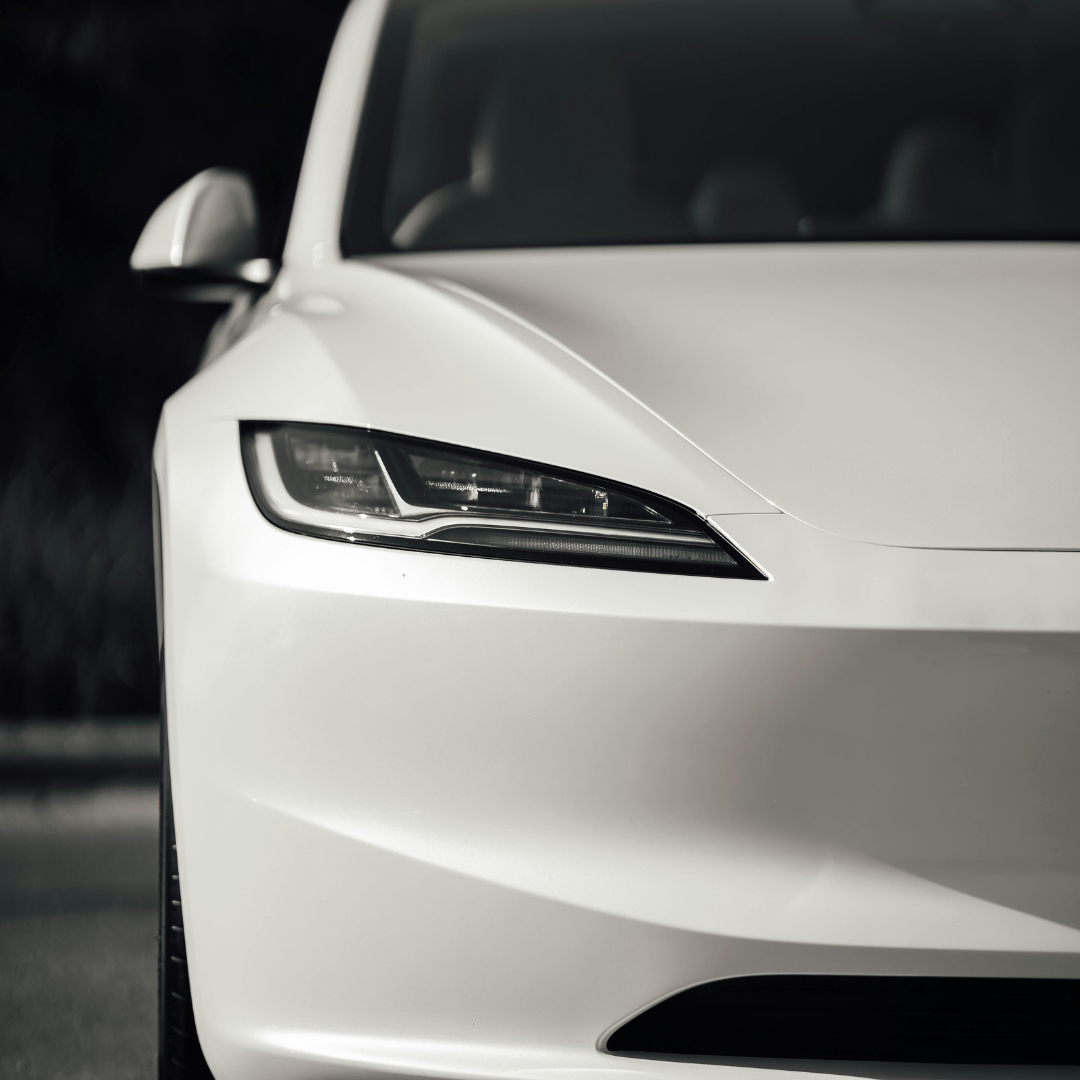
EV infrastructure expansion and growing zero-emission vehicle adoption have propelled California to a new benchmark in clean transportation, surpassing 2.5 million cumulative ZEV sales. Announced by Governor Gavin Newsom at the World Economic Forum, this milestone highlights the state’s commitment to environmental leadership and innovation.
During the fourth quarter of 2025 alone, Californians purchased 79,066 new ZEVs, nearly 19 percent of all new vehicle sales. This achievement underscores strong consumer demand for electric vehicles despite federal policy uncertainty, proving that consistent state-level support can accelerate adoption and economic growth while reducing greenhouse gas emissions.
Policy and Investment Drive EV Growth
California’s leadership in ZEV adoption is the result of a combination of strategic policy, targeted investment, and robust EV infrastructure development. Since 2019, cumulative sales have increased over 300 percent, supported by state incentives, rebates, and clear manufacturing standards. California Energy Commissioner Nancy Skinner noted that no other state has matched California’s growth trajectory over the past five years, reflecting the effectiveness of policy coupled with public enthusiasm for cleaner, more efficient vehicles.
This expansion has not only enhanced consumer choice but also strengthened the domestic automotive and clean energy markets, creating opportunities for innovation and sustainable economic development.
Expanding EV Infrastructure Across the State
A critical component of California’s success is its investment in EV infrastructure and charging networks. The state recently allocated $98.5 million to support Level 1 and Level 2 chargers, prioritizing locations with longer vehicle dwell times such as multifamily residences and workplaces.
This funding complements more than 200,000 public and shared EV infrastructure charging stations statewide, including installations in grocery stores, parking lots, residential complexes, and commercial hubs. By improving access to reliable charging, California is removing a key barrier to adoption and making electric vehicle ownership more practical for a wide range of residents.
Incentives and Equitable Deployment
Governor Newsom has also proposed an additional $200 million incentive program designed to accelerate ZEV adoption while supporting domestic automotive jobs. These efforts reinforce the state’s commitment to ensuring that American workers and manufacturers remain competitive in the global EV market. California is also focused on equitable deployment of EV infrastructure, ensuring that low-income communities and historically underserved areas receive access to charging stations and related resources.
Legislative guidance, including AB 2127 and SB 1000, helps the state prioritize these investments strategically, ensuring that all residents benefit from the transition to electric transportation.
Consumer Choice and Market Resilience
The ZEV market in California reflects both resilience and consumer confidence. Despite federal disruptions, Californians continue to embrace electric vehicles, enjoying environmental benefits and lower operating costs compared to traditional gas-powered vehicles. With 149 ZEV models available statewide in the fourth quarter of 2025, consumers now have unprecedented options for performance, affordability, and technology.
California’s approach demonstrates that sustainable transportation is not only an environmental necessity but also an engine for economic growth, innovation, and community development.
Leadership and Resources for Residents
California’s example provides a model for other states and countries. By combining consumer incentives, clear standards, and targeted infrastructure investment, the state has created a thriving ZEV ecosystem that encourages adoption while supporting local economies.
Residents interested in exploring EV options or finding charging locations can visit Electric For All for guidance on vehicles, incentives, and public charging stations.
California’s progress in clean transportation is a story of innovation, resilience, and forward-looking policy. Surpassing 2.5 million ZEV sales and expanding EV infrastructure statewide proves that environmental sustainability and economic opportunity can coexist.
To stay updated on California’s leadership in clean energy, transportation, and innovation, subscribe to RightSideofCA.com for regular news and insights.