

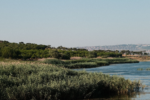

Coastal wetland restoration is gaining importance as California communities invest in nature-based strategies that can strengthen shorelines, protect wildlife habitat, and improve resilience to flooding and other climate-related pressures. Wetlands, dunes, streams, and related coastal ecosystems can provide natural protection while supporting biodiversity and improving the environmental health of heavily developed coastal areas.
Recent action by the California Coastal Conservancy demonstrates the scale and direction of these efforts. In February 2026, the agency recommended up to $385,442 for five community-based dune, wetland, and stream restoration projects covering approximately 41 acres in Ventura, Los Angeles, and San Diego counties.
Nature-Based Solutions Strengthen Coastal Resilience
Coastal wetland restoration provides an alternative to relying exclusively on engineered infrastructure for shoreline protection. Healthy wetlands and associated coastal habitats can absorb water, slow wave energy, retain sediment, and provide space for ecosystems to adjust to changing environmental conditions.
These characteristics make natural systems an increasingly important component of long-term resilience planning. Instead of treating habitat protection and flood management as separate objectives, restoration projects can combine environmental conservation with community protection.
The California Coastal Conservancy is also supporting a broader Nature-Based Coastal Resilience Strategy and Dune Restoration Frameworks for Southern California. In June 2026, the agency authorized up to $880,000 for work covering Ventura, Los Angeles, Orange, and San Diego counties, including analysis of coastal wetlands as part of a wider nature-based resilience strategy.
Wetlands Provide Important Wildlife Habitat
Healthy coastal wetlands support a diverse range of plants, fish, birds, invertebrates, and other organisms. Restoration can improve degraded habitat by reestablishing native vegetation, improving hydrological conditions, and reconnecting fragmented ecosystems.
These environments can serve as feeding, breeding, nesting, and nursery areas for wildlife. Their ecological value becomes particularly significant in densely developed coastal regions where natural habitat has been reduced by urbanization and infrastructure development.
Coastal wetland restoration can therefore contribute to biodiversity conservation while improving the overall health of interconnected coastal ecosystems. Protecting these areas also helps maintain ecological functions that benefit communities beyond the immediate restoration site.
Restoration Projects Expand Across Southern California
Several current initiatives illustrate how restoration is being implemented at the local level. The Coastal Conservancy’s 2025-2026 Community Wetland Restoration Grant Program includes projects in Ventura, Los Angeles, and San Diego counties. The five approved projects involve dunes, wetlands, and streams and collectively cover approximately 41 acres.
One project provides funding to restore 2.5 acres of degraded dune habitat at Hueneme Beach Park in Ventura County. Another project supports restoration work at the Gardena Wetlands in the South Bay area of Los Angeles County. Community participation is incorporated into several projects, creating opportunities for residents and organizations to contribute to local environmental improvements.
These smaller-scale projects complement larger regional planning efforts and demonstrate how restoration can occur through a combination of community programs and broader state-supported strategies.
Flood Protection Becomes Increasingly Important
Coastal communities face multiple risks associated with storms, flooding, erosion, and changing sea levels. Natural habitats can provide additional protection by slowing water movement and creating areas where floodwaters can spread without immediately reaching developed areas.
Coastal wetland restoration can improve the capacity of these ecosystems to perform those functions. Restored wetlands may help retain water and sediment while reducing the intensity of some coastal hazards.
However, restoration should not be viewed as a universal substitute for engineered flood-control infrastructure. Effective resilience planning generally requires communities to evaluate natural systems alongside conventional protective measures, land-use planning, emergency preparedness, and infrastructure improvements.
Dunes and Wetlands Can Work Together
The relationship between wetlands and dunes is an important element of Southern California’s emerging nature-based planning strategy. Both ecosystems can contribute to shoreline stability, but they perform different ecological and protective functions.
Dunes can absorb wave energy and provide elevated natural barriers, while wetlands can provide habitat and help manage water within coastal landscapes. Connecting these systems can produce more comprehensive resilience strategies than addressing individual habitats independently.
The Coastal Conservancy’s June 2026 project specifically includes consideration of how coastal wetlands can be integrated with dunes and other nature-based solutions. The strategy covers Ventura, Los Angeles, Orange, and San Diego counties.
This regional approach recognizes that coastal ecosystems operate across jurisdictional boundaries.
Community Participation Supports Long-Term Restoration
Successful restoration depends not only on funding and technical planning but also on long-term community involvement. Local residents, nonprofit organizations, environmental groups, volunteers, and public agencies can contribute to habitat restoration and ongoing stewardship.
The Coastal Conservancy’s community grant program demonstrates this approach by supporting nonprofit organizations carrying out restoration projects at local sites. Some projects include volunteer activities designed to encourage direct participation in habitat recovery.
Community involvement can also increase public awareness of coastal ecosystems. Residents who understand how wetlands and dunes contribute to environmental protection may be more likely to support long-term conservation and maintenance efforts.
Climate Planning Incorporates Natural Infrastructure
Climate resilience planning increasingly considers natural infrastructure alongside traditional public works. This reflects a growing recognition that ecosystems can provide measurable services while also supporting biodiversity and recreational opportunities.
Coastal wetland restoration fits within this broader planning model because restored habitats can address several objectives simultaneously. They can provide wildlife habitat, improve ecological conditions, support shoreline stability, and contribute to flood resilience.
The Coastal Conservancy’s current Southern California strategy explicitly examines nature-based approaches to coastal resilience. The agency’s June 2026 authorization includes development of frameworks intended to guide restoration and resilience planning across four counties.
Such regional planning can help communities identify locations where restoration may provide the greatest environmental and resilience benefits.
Restoration Requires Long-Term Monitoring
Restoring a wetland does not necessarily guarantee permanent ecological recovery. Conditions can change because of storms, erosion, sediment movement, invasive species, development pressures, and changing climate conditions.
Long-term monitoring allows scientists and land managers to determine whether restored habitats are developing as expected. Monitoring can also identify problems early enough for managers to modify restoration techniques or maintenance strategies.
This makes continued investment important even after construction or habitat restoration work has been completed. Successful coastal management requires ongoing evaluation rather than treating restoration as a one-time activity.
Economic and Recreational Benefits
Coastal restoration can produce benefits that extend beyond environmental protection. Healthy shorelines and wetlands can contribute to recreational opportunities, scenic value, tourism, education, and community quality of life.
Restoration projects also create demand for environmental consultants, construction contractors, landscape specialists, ecological scientists, project managers, and other professionals. Community-based programs can further connect environmental investment with local employment and volunteer opportunities.
Over time, healthier coastal ecosystems may support communities that depend on tourism and outdoor recreation. These economic considerations can strengthen the case for incorporating natural systems into broader regional development strategies.
Regional Planning Shapes the Future
California’s coastal challenges cross municipal boundaries, making regional coordination increasingly important. Flooding, erosion, habitat loss, and sediment movement do not stop at city or county lines.
The Southern California Nature-Based Coastal Resilience Strategy supported by the Coastal Conservancy is designed to examine these issues across Ventura, Los Angeles, Orange, and San Diego counties. The project also includes development of dune restoration frameworks and consideration of coastal wetland restoration as part of integrated resilience planning.
This type of coordination can help communities share information, identify compatible restoration priorities, and develop strategies that recognize the interconnected nature of coastal ecosystems.
Outlook for Coastal Wetland Restoration
Coastal wetland restoration is expected to remain an important component of California’s long-term approach to climate resilience, habitat protection, and shoreline management. Current projects demonstrate that restoration is occurring at multiple scales, from community-based efforts covering individual habitat areas to regional strategies designed to coordinate nature-based solutions across several counties.
The combination of wetland, dune, and stream restoration can provide communities with additional tools for addressing environmental and climate-related challenges. Continued monitoring, scientific research, public participation, and sustained funding will be necessary to maintain these investments over time.
As California communities prepare for changing coastal conditions, restoration efforts can help preserve natural ecosystems while contributing to more resilient shorelines. The continued expansion of these projects reflects a broader shift toward integrating ecological protection with long-term community planning.
For official information about coastal resilience projects, wetland restoration funding, nature-based solutions, and current initiatives, visit the California Coastal Conservancy.
Stay informed on California environmental projects, coastal resilience, climate initiatives, and community development by subscribing to RightSideOfCA.com for in-depth coverage and timely updates.


