



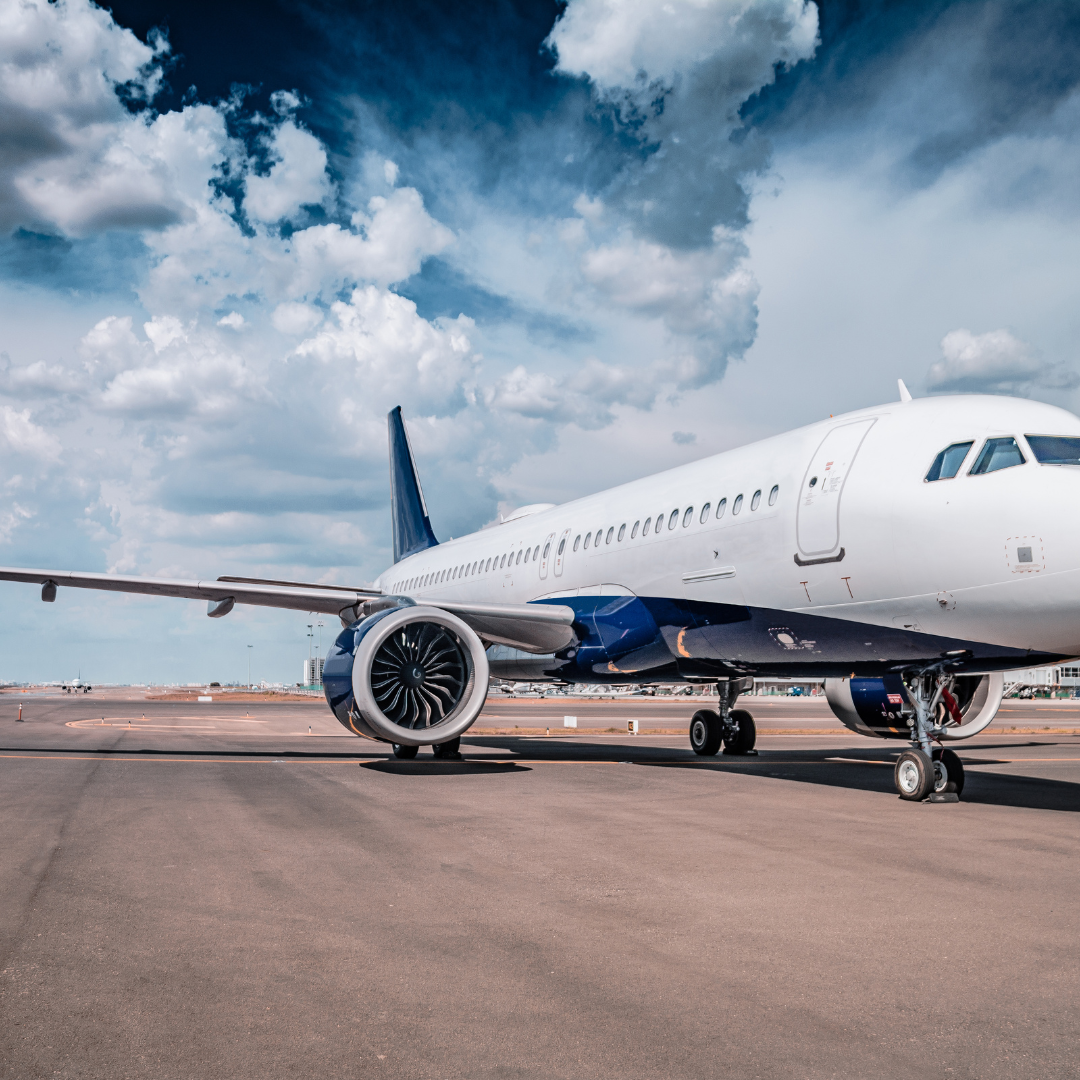
Clean aviation research continues expanding as universities, aerospace manufacturers, airports, and research institutions increase collaboration on technologies designed to reduce aviation emissions while improving efficiency and long-term sustainability. Ongoing projects involving sustainable aviation fuel, electric aircraft propulsion, hybrid flight systems, and advanced aerodynamics are contributing to the next generation of low-emission air transportation.
The continued growth of clean aviation research reflects increasing interest in developing technologies capable of supporting both environmental objectives and future aviation demand. Researchers believe innovation across multiple disciplines will play an essential role in helping the aviation industry lower emissions while maintaining safety, reliability, and operational performance.
Sustainable Aviation Fuel Remains a Key Priority
One of the primary areas driving clean aviation research is the development of sustainable aviation fuel (SAF). Unlike conventional jet fuel derived primarily from petroleum, SAF can be produced from renewable feedstocks, waste materials, agricultural byproducts, and other lower-carbon sources.
Researchers continue evaluating production methods that improve fuel quality while reducing lifecycle greenhouse gas emissions. Although sustainable aviation fuel is already being introduced into portions of the commercial aviation sector, ongoing research aims to increase production capacity, improve cost efficiency, and expand commercial availability.
Clean aviation research involving SAF also focuses on compatibility with existing aircraft engines and airport fueling infrastructure. This approach allows airlines to reduce emissions without requiring immediate replacement of current aircraft fleets, making sustainable fuel one of the most practical near-term solutions for the aviation industry.
Electric Aircraft Technology Continues Advancing
Electric propulsion systems have become another major focus of clean aviation research. Universities and aerospace companies are developing battery-powered aircraft capable of supporting short-distance passenger travel, pilot training, cargo transport, and specialized aviation missions.
Recent advances in battery technology, electric motors, and lightweight composite materials have improved the feasibility of electric flight. Researchers continue working to increase energy density, reduce charging times, and improve aircraft performance while maintaining strict aviation safety standards.
Although large commercial aircraft will likely continue relying on conventional propulsion technologies for the foreseeable future, electric aviation is showing growing potential for regional transportation and urban air mobility applications.
Industry experts believe continued investment in clean aviation research will accelerate technological progress in electric flight over the coming decade.
Hybrid Propulsion Systems Expand Research Opportunities
Many research organizations are also exploring hybrid-electric propulsion systems that combine traditional engines with electric power technologies. These systems may provide a practical transition pathway by reducing fuel consumption while extending operational range beyond what current battery technologies alone can support.
Hybrid propulsion offers flexibility for aircraft manufacturers seeking to improve environmental performance without sacrificing operational capability. Researchers are evaluating how different propulsion combinations perform under varying flight conditions while optimizing efficiency and reliability.
Clean aviation research involving hybrid systems is expected to contribute valuable insights for future aircraft design, particularly as battery technologies continue evolving.
Universities Strengthen Aerospace Innovation
Academic institutions remain central contributors to clean aviation research through engineering programs, laboratory testing, and collaborative research partnerships. Universities are expanding projects involving propulsion systems, advanced materials, aerodynamics, artificial intelligence, and aviation sustainability.
Many institutions work closely with aerospace manufacturers, government agencies, and airport operators to evaluate emerging technologies under real-world conditions. These partnerships help accelerate innovation while providing valuable educational opportunities for engineering students and future aviation professionals.
Research grants and collaborative funding initiatives continue supporting long-term scientific investigation into sustainable aviation technologies. Universities also play a critical role in developing the skilled workforce needed to support future aerospace innovation.
Airports Support Sustainable Infrastructure
Airports are becoming active participants in clean aviation research by investing in infrastructure capable of supporting future low-emission aircraft operations. Facility improvements include planning for sustainable aviation fuel distribution, electric aircraft charging systems, and more energy-efficient airport operations.
Airport modernization projects increasingly incorporate sustainability objectives alongside operational improvements. Energy-efficient buildings, renewable energy installations, and emissions reduction initiatives complement broader aviation research efforts.
As new aircraft technologies become commercially viable, airports are expected to play an increasingly important role in supporting infrastructure deployment and operational readiness.
Aerospace Industry Invests in Long-Term Innovation
The aerospace industry continues expanding investment in clean aviation research to remain competitive while responding to changing environmental expectations. Manufacturers are pursuing innovations involving lightweight materials, advanced manufacturing techniques, digital engineering, and next-generation propulsion technologies.
Artificial intelligence and advanced simulation tools are also improving aircraft design processes by allowing engineers to evaluate performance more efficiently before physical prototypes are constructed. These digital capabilities reduce development timelines while supporting more effective engineering decisions.
Industry leaders emphasize that long-term investment in research remains essential for achieving future aviation sustainability goals without compromising safety or operational performance.
Environmental Benefits Extend Beyond Emissions
The objectives of clean aviation research extend beyond reducing greenhouse gas emissions alone. Researchers are also studying methods for reducing aircraft noise, improving fuel efficiency, minimizing operational waste, and enhancing overall environmental performance throughout the aviation lifecycle.
Lower-emission aircraft technologies may also improve air quality around airports while reducing fuel consumption during routine operations. Sustainable manufacturing processes and recyclable materials are becoming additional areas of research as aerospace companies pursue broader environmental objectives.
These efforts demonstrate that aviation sustainability encompasses multiple aspects of aircraft design, operations, infrastructure, and lifecycle management.
Workforce Development Supports Future Aviation
As clean aviation research continues expanding, workforce development remains an important priority. Universities, technical colleges, and aerospace organizations are preparing engineers, technicians, pilots, and maintenance professionals with skills relevant to emerging aviation technologies.
Educational programs increasingly include coursework involving electric propulsion, sustainable fuels, digital engineering, systems integration, and advanced manufacturing techniques. These initiatives help ensure that the future aviation workforce can support evolving technological requirements.
Industry observers note that workforce readiness will play a significant role in the successful commercialization of future aviation innovations.
Outlook for Clean Aviation Research
The future of clean aviation research appears increasingly promising as technological advances continue reshaping aerospace development. Sustainable aviation fuel, electric aircraft, hybrid propulsion systems, and digital engineering tools are expected to remain major priorities throughout the coming years.
Continued collaboration among universities, government research organizations, airports, and aerospace companies will be essential for moving new technologies from research laboratories into commercial aviation. Infrastructure investment, regulatory support, and workforce development will also influence long-term success.
As aviation continues evolving toward lower-emission operations, clean aviation research will remain at the center of efforts to improve environmental performance while supporting future transportation needs. The progress achieved today is laying the foundation for a more sustainable and technologically advanced aviation industry.
Learn more about advanced aeronautics research, sustainable aviation technologies, electric flight systems, and aerospace innovation through NASA Armstrong Flight Research Center.
Stay informed on aerospace innovation, transportation technology, scientific research, and clean mobility developments by subscribing to RightSideOfCA.com for in-depth coverage and timely updates.