



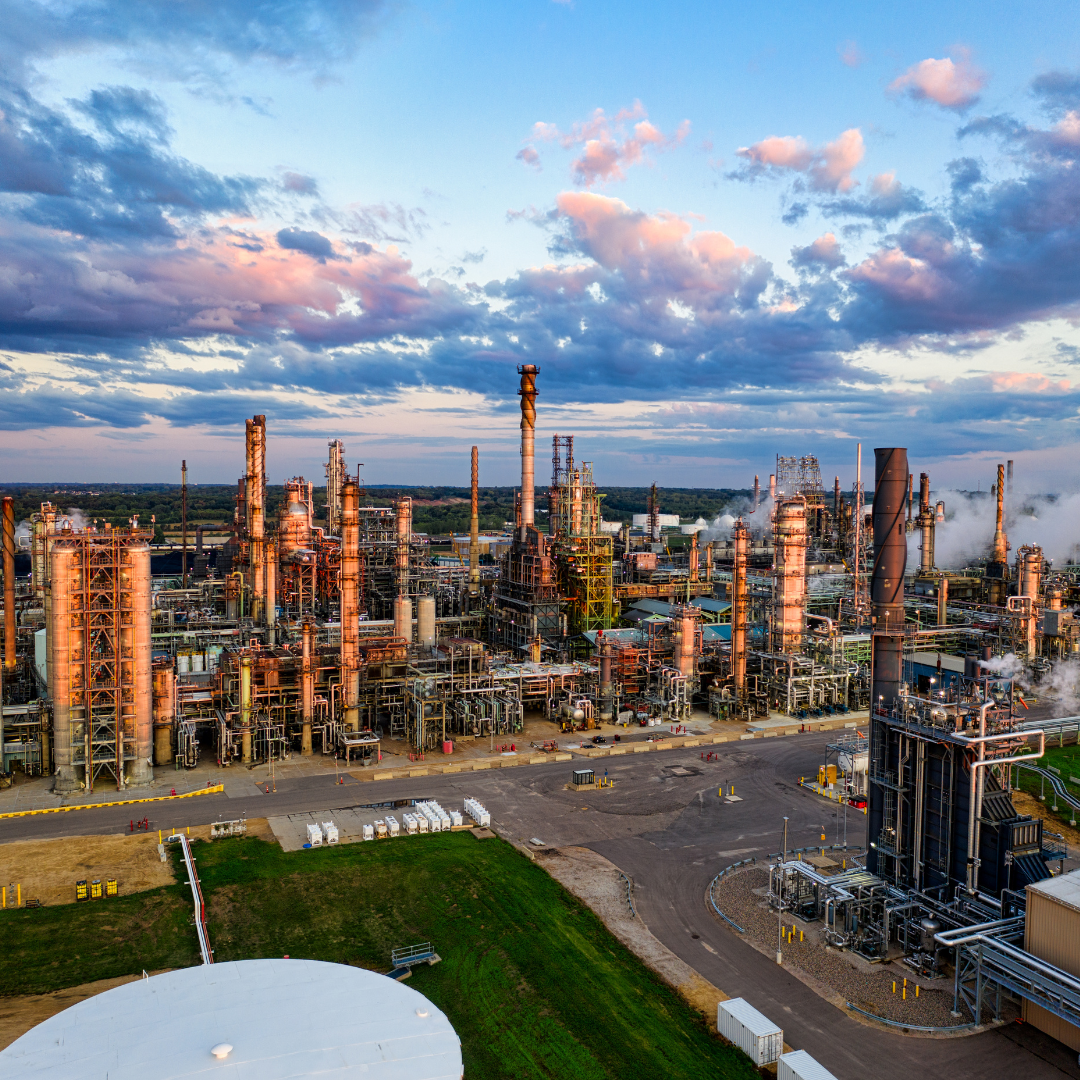
Advanced manufacturing incentives continue playing a growing role in economic development efforts as state leaders focus on expanding high-value industries including semiconductor production, aerospace systems, robotics, and clean technology manufacturing. These initiatives are designed to strengthen industrial competitiveness, support workforce development, and encourage long-term private-sector investment across multiple advanced technology sectors.
As global competition for manufacturing investment intensifies, advanced manufacturing incentives are increasingly viewed as an important tool for attracting new facilities, supporting innovation, and enhancing supply-chain resilience. Economic development officials say strategic investments in industrial growth can help strengthen both regional economies and long-term technology leadership.
Semiconductor Production Remains a Strategic Priority
One of the primary areas benefiting from advanced manufacturing incentives is semiconductor production. The demand for advanced computer chips continues growing across industries ranging from consumer electronics and artificial intelligence to healthcare systems and transportation technologies.
Semiconductor manufacturing facilities require substantial capital investment, specialized infrastructure, and highly skilled workforces. Economic development programs are helping create conditions that encourage companies to expand production capacity while supporting domestic supply-chain capabilities.
Industry analysts note that advanced manufacturing incentives can play a significant role in reducing barriers to expansion by helping offset costs associated with facility construction, workforce training, and infrastructure improvements. As demand for semiconductors continues increasing, investment in manufacturing capacity remains a major economic priority.
Aerospace Innovation Continues Expanding
The aerospace sector is another major beneficiary of advanced manufacturing incentives. Aerospace companies continue investing in next-generation aircraft systems, satellite technologies, space exploration programs, and defense-related manufacturing capabilities.
Modern aerospace production relies heavily on advanced engineering processes, automation systems, and precision manufacturing technologies. Economic development initiatives are helping support research, production expansion, and workforce development activities tied to these industries.
The aerospace sector contributes significantly to regional economic activity through direct employment, supply-chain partnerships, and technological innovation. Continued support for advanced manufacturing incentives may help maintain competitiveness in a rapidly evolving global aerospace market.
Robotics Industry Growth Supports Modern Manufacturing
Robotics development is becoming increasingly important within advanced manufacturing environments. Manufacturers are adopting automation technologies to improve efficiency, increase production consistency, and address evolving workforce needs.
Advanced manufacturing incentives are helping support companies involved in robotics design, software development, sensor technologies, and industrial automation systems. These investments contribute to broader industrial modernization efforts while encouraging innovation across multiple sectors.
The growing use of robotics extends beyond factory environments. Automated technologies are increasingly being integrated into logistics operations, healthcare applications, agricultural systems, and infrastructure management projects, creating additional opportunities for industry expansion.
Clean Technology Production Gains Momentum
Clean technology manufacturing remains a significant focus of advanced manufacturing incentives as governments and businesses continue pursuing sustainability objectives. Investments in renewable energy systems, battery technologies, energy storage equipment, and environmental technologies are contributing to manufacturing growth.
Companies involved in clean technology production often require specialized facilities and advanced engineering capabilities. Economic development programs help support expansion efforts by encouraging capital investment and workforce development within emerging industries.
Supporters of advanced manufacturing incentives argue that clean technology production can provide long-term economic benefits while helping address environmental challenges through innovation and technological advancement.
Workforce Development Supports Industry Growth
The success of advanced manufacturing incentives depends heavily on workforce availability. Modern manufacturing facilities increasingly require employees with specialized technical expertise involving engineering, automation systems, software integration, and advanced production processes.
Educational institutions, workforce training organizations, and industry partners continue collaborating to develop talent pipelines capable of supporting manufacturing expansion. Apprenticeship programs, technical certifications, and specialized training initiatives are becoming more common across industrial sectors.
Industry leaders emphasize that workforce development remains one of the most important factors influencing long-term competitiveness. Advanced manufacturing incentives often include support mechanisms designed to improve workforce readiness and align training programs with employer needs.
Supply-Chain Resilience Drives Investment
Recent global supply-chain disruptions have reinforced the importance of domestic manufacturing capacity. Advanced manufacturing incentives are increasingly being used to strengthen industrial ecosystems and reduce dependence on distant production networks.
Manufacturing expansion can help improve supply-chain reliability by increasing regional production capabilities and diversifying sources of critical components. Industries such as semiconductors, aerospace systems, and clean technology manufacturing are particularly important from a strategic supply-chain perspective.
Economic analysts suggest that stronger domestic manufacturing capacity may improve resilience during periods of international uncertainty while supporting long-term economic stability.
Technology Innovation Enhances Competitiveness
Innovation remains central to the effectiveness of advanced manufacturing incentives. Companies continue investing in artificial intelligence, advanced analytics, additive manufacturing, and digital production technologies designed to improve operational performance.
These technologies allow manufacturers to optimize production processes, reduce waste, improve product quality, and accelerate innovation cycles. Increased adoption of advanced manufacturing systems is helping industries remain competitive in increasingly complex global markets.
Research partnerships between universities, private-sector companies, and government organizations are also supporting technology commercialization and industrial innovation. These collaborations contribute to the development of new products, manufacturing techniques, and business opportunities.
Economic Impact Extends Beyond Manufacturing
The benefits associated with advanced manufacturing incentives often extend beyond individual production facilities. Manufacturing investments support construction activity, professional services, transportation networks, utilities, and local business development.
Large industrial projects frequently generate secondary economic activity through supplier relationships and workforce spending. These effects can contribute to broader regional growth while supporting long-term economic diversification.
Economic development officials note that manufacturing industries often create high-paying jobs and encourage investment in supporting infrastructure, making them important contributors to economic resilience.
Long-Term Outlook for Advanced Manufacturing Incentives
Industry observers expect advanced manufacturing incentives to remain a significant component of economic development strategies throughout 2026 and beyond. Continued growth in semiconductors, aerospace systems, robotics, and clean technology production is likely to drive further investment activity.
While competition for manufacturing projects remains intense, ongoing support for innovation, workforce development, and infrastructure improvements may help strengthen long-term industrial growth opportunities. Companies continue seeking locations capable of supporting advanced production requirements while maintaining access to skilled labor and modern transportation networks.
The expansion of advanced manufacturing incentives reflects broader efforts to support technological innovation, strengthen supply chains, and promote sustainable economic development. As industries continue evolving, these initiatives are expected to remain an important driver of manufacturing growth and industrial competitiveness.
Learn more about business development programs, manufacturing initiatives, workforce resources, and investment opportunities through the California Governor’s Office of Business and Economic Development.
Stay informed on manufacturing growth, technology innovation, economic development, and industry expansion by subscribing to RightSideOfCA.com for in-depth coverage and timely updates.