


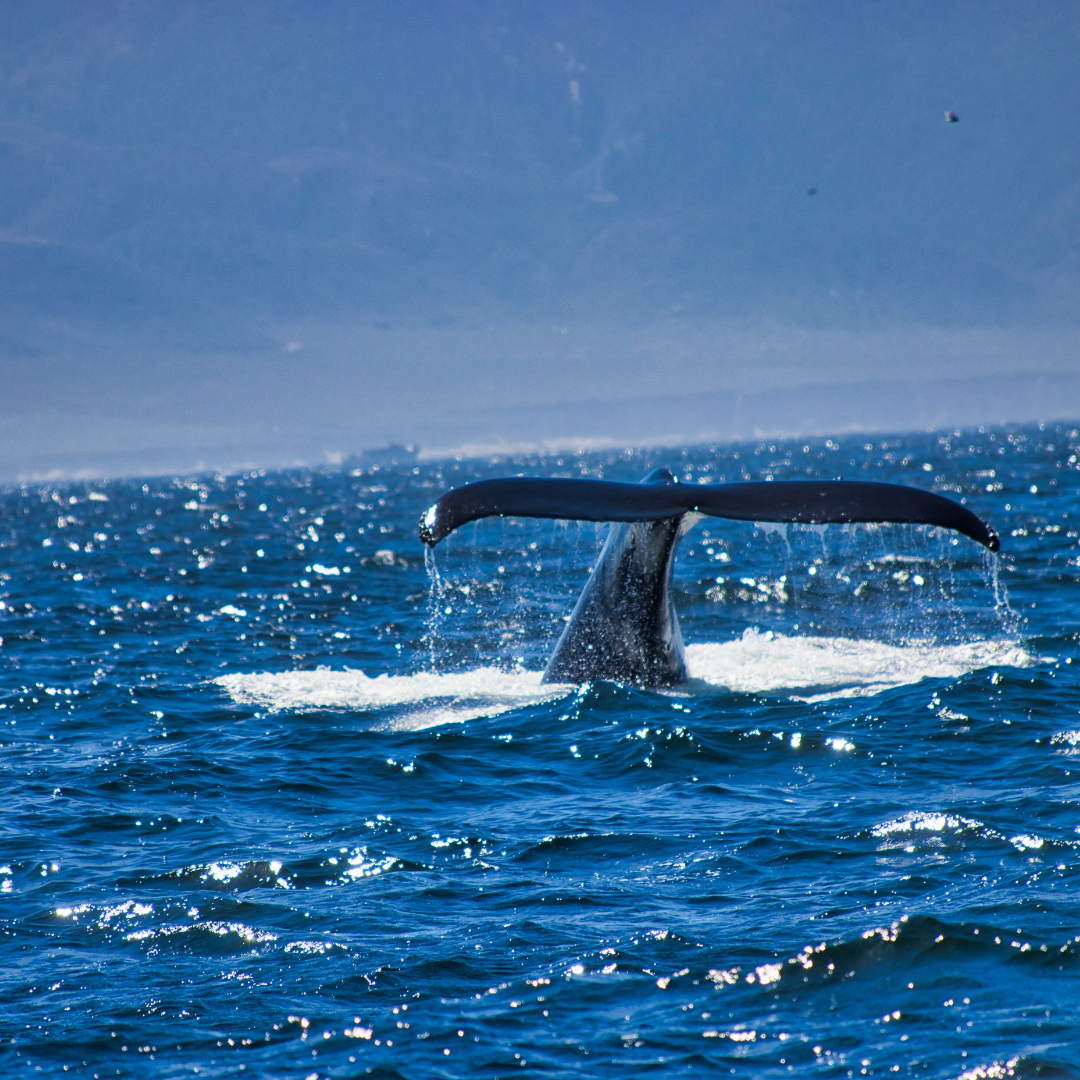
California officials announced a major expansion of the state’s whale protection program, extending vessel speed reduction zones along key parts of the Pacific Coast. The initiative is designed to reduce ship strikes — a leading cause of injury and death for blue whales and other large marine species — while strengthening safety measures for ocean ecosystems.
The expanded whale protection program comes as whale populations continue to recover from decades of decline, but still face significant threats from increased shipping traffic and changing ocean conditions. By slowing vessel speeds in critical habitats, the state aims to create safer corridors for migrating whales, particularly during peak migration seasons when whales travel close to shore.
Why the Speed Reduction Zones Matter
Ship strikes have long been identified as a major risk for large marine animals, especially blue whales, which can weigh over 200 tons and move slowly through coastal waters. Even a single collision can be fatal for the animal and cause serious damage to vessels. Slower speeds give ship crews more time to detect whales and take evasive action, and they reduce the force of impact when collisions occur — a key goal of the whale protection program.
This expansion is also part of a broader effort to make California’s coastline safer for all marine life, including humpback whales, fin whales, and endangered species that migrate through coastal waters. With shipping traffic rising steadily along the West Coast, the need for protective measures through the whale protection program has become more urgent.
The expanded whale protection program will also improve data collection and monitoring, allowing scientists to better track whale movement patterns and identify emerging risk zones. By integrating new reporting tools and coordinated maritime enforcement, the state aims to ensure that speed reduction zones are effective and responsive to changing ocean conditions, especially during peak migration periods.
Statewide Impact and Local Benefits
The expanded whale protection program will benefit coastal communities that rely on healthy marine ecosystems for tourism, fishing, and recreation. Whale watching alone is a major economic driver in parts of California, drawing visitors who spend money on tours, hotels, restaurants, and local services. Protecting whales supports both biodiversity and local livelihoods.
In addition, the initiative reflects a broader focus on coastal safety and environmental stewardship. As the state faces growing pressure from climate change and habitat disruption, policymakers are increasingly prioritizing actions that protect natural resources while supporting sustainable economic activity.
A Step Forward for Ocean Conservation
Environmental groups praised the expansion, saying it demonstrates the state’s willingness to act on science-based conservation strategies. While some shipping industry stakeholders may raise concerns about operational impacts, experts say the benefits for wildlife and long-term ocean health outweigh the costs.
The program also aligns with federal efforts to protect marine species and reduce human impacts on ocean habitats. By implementing state-level protections, California is setting a standard that could influence other coastal states and help drive broader policy change.
What This Means for Shipping and Navigation
The speed reduction zones will apply primarily to large commercial vessels traveling through identified whale habitats. Enforcement will be handled through coordination between state agencies and maritime authorities, with monitoring and compliance measures designed to ensure effectiveness without disrupting essential shipping operations.
Industry groups may need to adjust schedules and navigation plans, but the expanded program is structured to provide clear guidance and support for compliance. In many cases, slowing down can also improve fuel efficiency and reduce noise pollution — an added benefit for marine life and coastal communities.
For readers who want to learn more about the expanded whale protection program and how it affects coastal waters, the full coverage is available here.
If you want more news like this — with clear analysis and real-world context — subscribe to RightSideOfCA.com for daily updates on California policy, environmental initiatives, and public safety issues.