


Fire management agencies in Mono County are accelerating prescribed burns and forest health projects as part of a broader Northern California strategy to reduce wildfire risk. The efforts come as California continues to recover from years of destructive fire seasons that strained emergency resources, displaced communities, and reshaped land-use policy.
State and federal agencies say the renewed focus on proactive fire management reflects lessons learned from recent megafires. Rather than relying solely on suppression, officials are prioritizing controlled burns, vegetation thinning, and ecosystem restoration to improve long-term resilience.
Why Mono County Is a Priority Area
Mono County’s landscape presents unique wildfire challenges. Dense forest growth, prolonged drought conditions, and changing weather patterns have increased fuel loads across large swaths of public land. At the same time, the county’s proximity to sensitive ecosystems and rural communities heightens the consequences of uncontrolled fires.
Fire officials note that decades of fire suppression allowed vegetation to accumulate, creating conditions for high-intensity wildfires. Prescribed fire is now viewed as one of the most effective tools to reverse that trend while restoring more natural fire cycles.
What Prescribed Burns Are Designed to Do
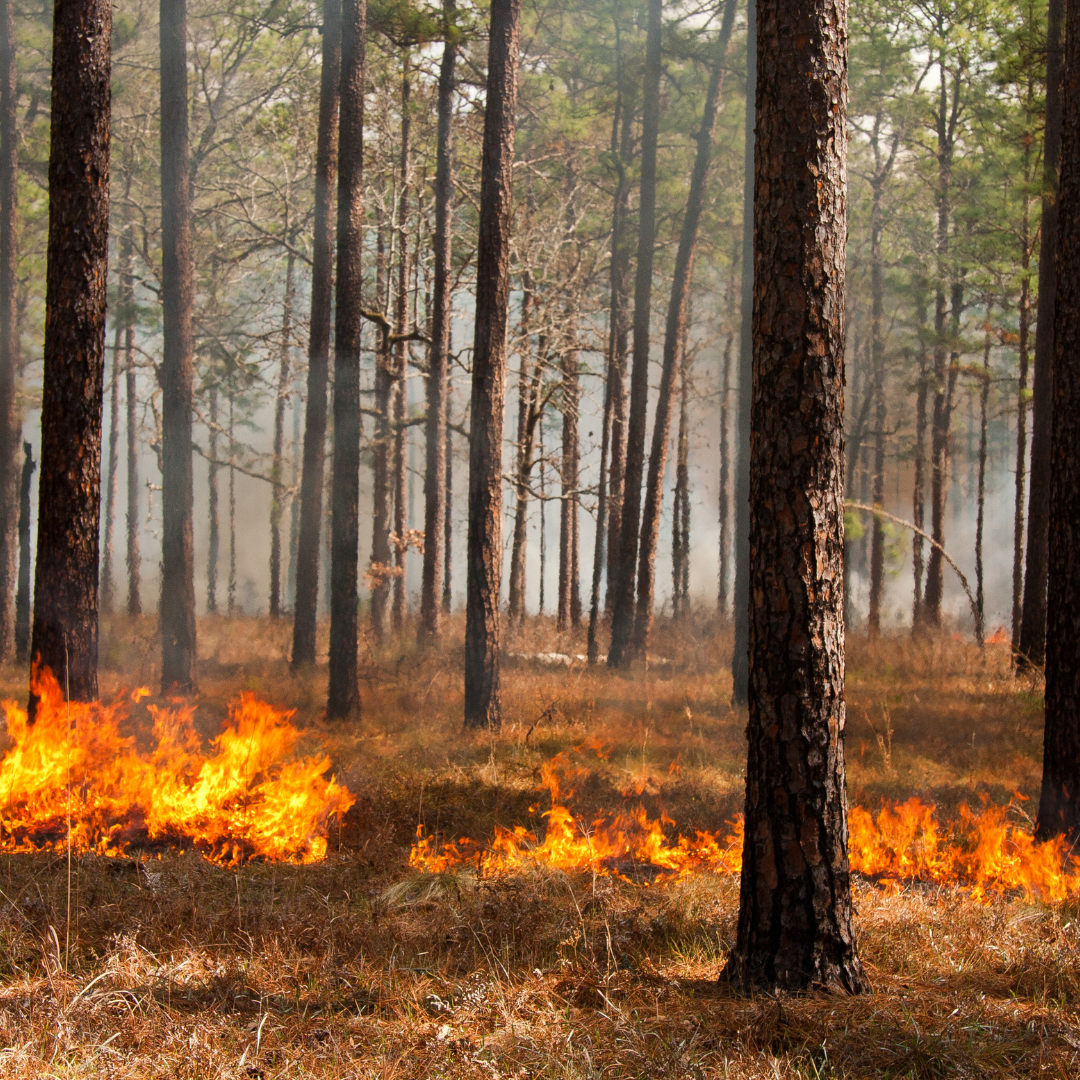
Prescribed burns are intentionally planned fires conducted under specific weather, fuel, and air-quality conditions. Crews carefully manage ignition, containment, and timing to reduce excess vegetation without threatening nearby communities.
In Mono County, prescribed fire projects are being paired with mechanical thinning and forest health treatments. This combination reduces ladder fuels, improves forest spacing, and limits the likelihood that future fires will reach catastrophic intensity.
Officials emphasize that smoke impacts are temporary and far less severe than those generated by uncontrolled wildfires.
Coordination Between Agencies
Forest management in Mono County involves coordination among multiple agencies, including Cal Fire, the U.S. Forest Service, local fire districts, and environmental partners. These agencies collaborate on burn planning, environmental review, and public notification.
Interagency coordination allows larger treatment areas to be addressed efficiently while minimizing duplication and regulatory delays. It also ensures compliance with air-quality standards and environmental protections.
The expanded use of prescribed fire reflects a statewide shift toward landscape-scale fire planning rather than isolated fuel treatments.
Community Safety and Public Concerns
While prescribed burns are widely supported by fire experts, they often raise concerns among residents. Smoke exposure, temporary road closures, and visibility issues can disrupt daily life, especially in rural communities.
Fire agencies say public outreach has become a critical component of prescribed fire planning. Advance notice, real-time updates, and coordination with local health officials are used to reduce disruption and maintain transparency.
Officials stress that short-term inconvenience is outweighed by the long-term reduction in wildfire severity and evacuation risk.
Environmental and Ecological Benefits
Beyond wildfire prevention, prescribed fire plays an important role in ecosystem health. Low-intensity burns can improve soil nutrients, promote native plant regeneration, and support wildlife habitats adapted to periodic fire.
In forested areas of Mono County, controlled fire helps restore historical fire patterns that were interrupted for much of the 20th century. Ecologists argue that reintroducing fire under controlled conditions is essential to long-term environmental stability.
These benefits have helped shift public perception, with prescribed fire increasingly seen as a necessary land-management tool rather than a risk.
Policy Implications Across California
The expansion of prescribed fire in Mono County mirrors broader changes in California fire policy. State leaders have committed funding and regulatory reforms to accelerate fuel reduction projects, including streamlined permitting and increased training for burn crews.
As climate conditions continue to evolve, policymakers acknowledge that fire will remain part of California’s landscape. The goal is no longer total fire prevention, but smarter fire management that protects lives, property, and ecosystems.
Mono County’s approach may serve as a model for other high-risk regions across Northern California.
What Comes Next
Fire agencies plan to continue prescribed burns and forest health projects throughout favorable weather windows, typically in spring and fall. Officials urge residents to stay informed through local alerts and agency updates.
As wildfire seasons grow longer and more intense, proactive management strategies are expected to expand statewide. Mono County’s efforts highlight how early intervention can reduce long-term risk and cost.
This reporting is informed by coverage from the Sacramento Bee on prescribed fire and forest management efforts in Northern California.
Prescribed fire is no longer optional—it’s essential. Mono County’s forest management efforts show how proactive policies can reduce wildfire danger while protecting ecosystems and rural communities. As California adapts to a changing climate, controlled burns and fuel reduction will play a central role in public safety.
Follow RightSideOfCA.com for clear, policy-focused reporting on wildfire prevention, land management, and California’s evolving environmental strategy—without the spin.