

Community solar initiatives across the Bay Area reached a significant milestone in early 2026, with hundreds of households now receiving electricity through shared solar installations. The expansion reflects steady progress in making clean energy more accessible to residents who may not have the ability to install rooftop systems.
Local energy officials and project developers say the growth of Bay Area community solar programs demonstrates how shared renewable infrastructure can lower carbon emissions while increasing participation in clean energy adoption. The milestone marks an important step toward regional climate goals and long-term sustainability planning.
What Community Solar Means for Households
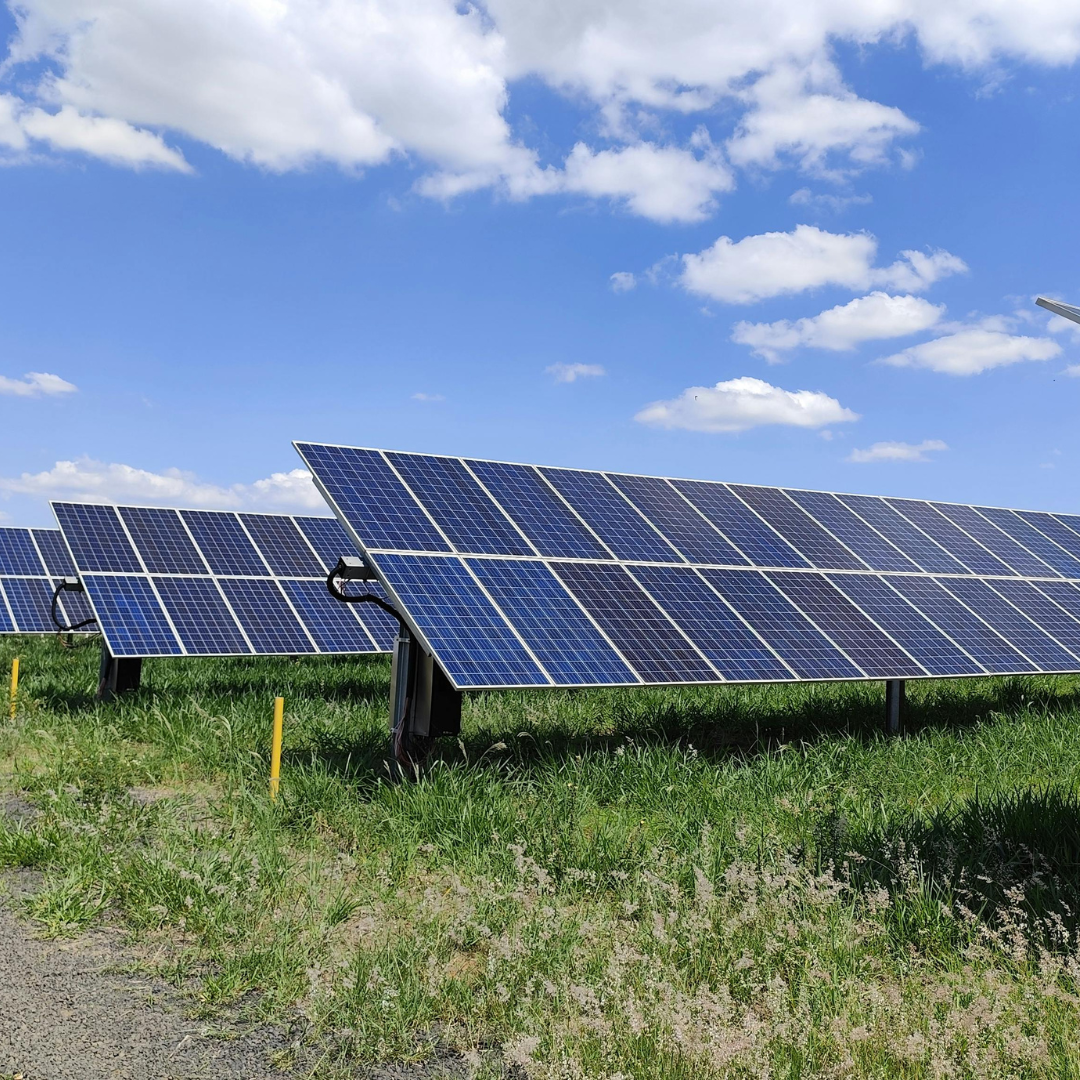
Community allows multiple households to subscribe to a single solar array, receiving bill credits for the energy produced without needing panels on their own property. This model has proven particularly effective for renters, condominium owners, and residents in multi-family housing.
Through shared solar energy, participants gain predictable energy costs and access to renewable power without upfront installation expenses. Program administrators report strong demand, with subscription slots filling quickly as awareness continues to grow.
For many households, the programs also offer long-term savings, helping stabilize electricity costs amid fluctuating energy prices.
Reducing Carbon Footprints at Scale
The milestone reflects more than household participation numbers. Collectively, the projects are delivering measurable environmental benefits, including reduced reliance on fossil fuels and lower greenhouse gas emissions.
Energy analysts estimate that the newest phase of Bay Area community solar projects offsets thousands of metric tons of carbon emissions annually. By aggregating demand across multiple subscribers, shared systems generate efficiency gains that individual installations may not achieve alone.
These reductions contribute directly to California’s broader clean energy and emissions targets while supporting local grid resilience.
Equity and Access Drive Program Growth
Equitable access remains a central goal of community solar expansion. Many programs prioritize enrollment for low- and moderate-income households, ensuring clean energy benefits extend beyond homeowners with financial flexibility.
By expanding shared solar energy, local governments and utilities are addressing long-standing access gaps while promoting inclusive participation in the clean energy transition. Some projects also offer fixed-rate subscriptions designed to protect participants from future rate volatility.
Community outreach efforts have played a key role, with local organizations helping residents understand program benefits and enrollment options.
Public-Private Collaboration Powers Success
The milestone reflects strong collaboration among cities, counties, utilities, and private developers. Public agencies provide policy frameworks and incentives, while developers manage installation, maintenance, and subscriber administration.
This partnership model has accelerated deployment timelines for Bay Area community solar projects, enabling faster scaling and improved cost efficiency. Developers note that standardized permitting and interconnection processes have also helped reduce delays.
As more projects come online, officials expect cumulative capacity to continue increasing throughout 2026 and beyond.
Economic and Workforce Benefits
Beyond environmental impact, shared solar initiatives are supporting local economies. Construction, maintenance, and program management create skilled jobs across the renewable energy sector.
The growth of shared solar energy contributes to workforce development aligned with California’s clean energy strategy. Training programs and local hiring requirements further strengthen the economic ripple effects of each project.
Officials emphasize that these benefits reinforce the long-term value of investing in community-based renewable infrastructure.
Looking Ahead for Community Solar
With the milestone achieved, regional planners are already preparing for the next phase of expansion. Future projects may incorporate battery storage, advanced grid integration, and expanded subscription capacity.
As Bay Area community solar programs mature, policymakers see shared solar as a scalable solution that complements rooftop installations and utility-scale renewables. Continued investment is expected to further reduce emissions while broadening access to clean energy.
Learn more about California community solar initiatives.
For continued coverage of clean energy policy, sustainability milestones, and California environmental initiatives, visit and subscribe to RightSideOfCA.com for expert reporting and timely updates.