



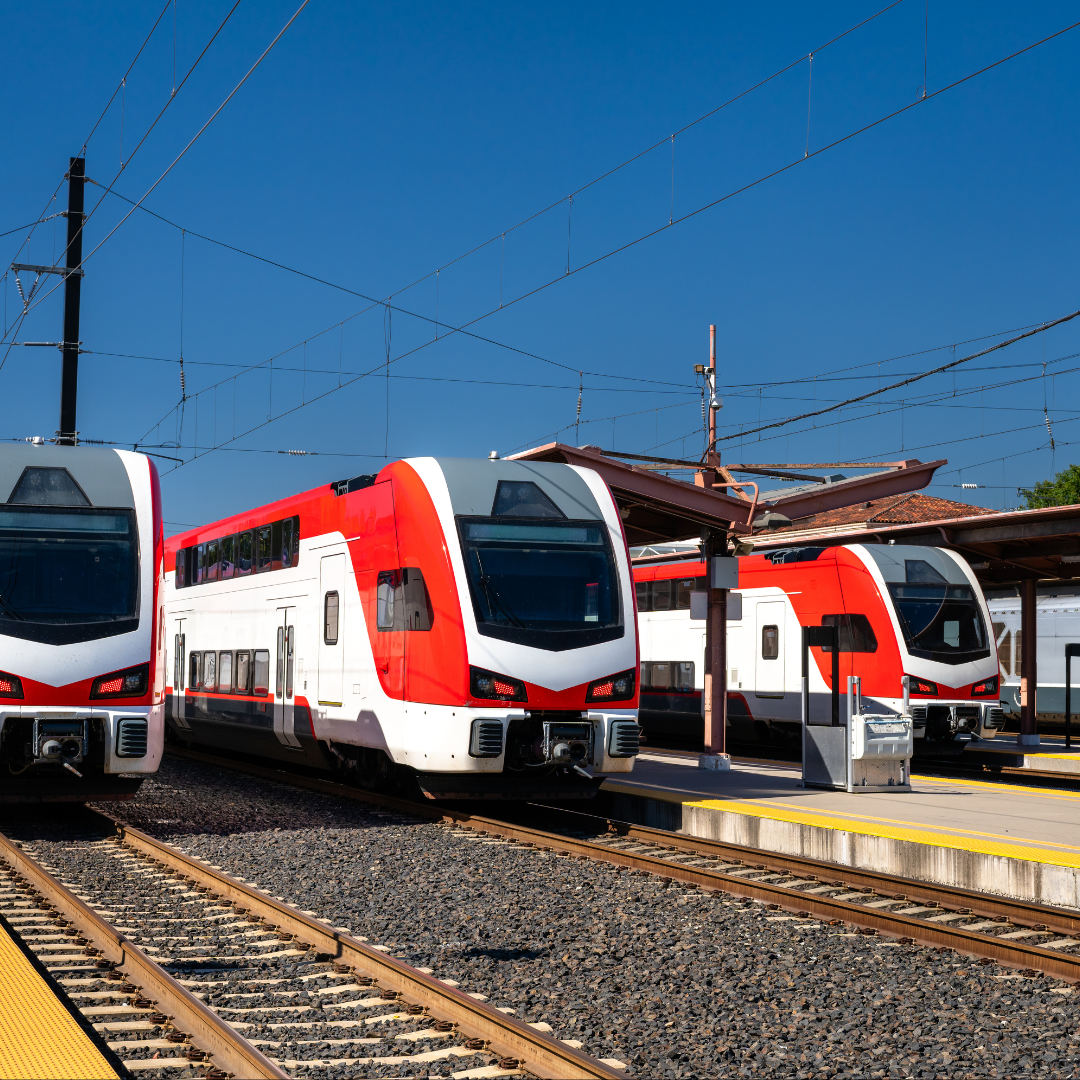
California transit expansion continues in 2026 as major metro and rail projects improve mobility, reduce congestion, and strengthen regional transportation access statewide.
California transit expansion continues to advance as regional transportation agencies move forward with large-scale rail, subway, and public mobility projects designed to improve statewide connectivity. New transit infrastructure developments are supporting faster commuting options, reducing congestion pressures, and strengthening long-term transportation planning across several metropolitan areas.
California transit expansion has become a central component of the state’s infrastructure strategy as population growth and urban mobility demands continue to increase. Transportation officials say current projects are intended to modernize aging systems while creating more reliable alternatives to automobile-dependent travel.
Infrastructure Investments Support Long-Term Mobility
Several transit agencies across California are expanding rail corridors, modernizing stations, and upgrading public transportation systems to improve efficiency and accessibility. Ongoing investments include subway extensions, commuter rail improvements, and integration projects linking regional transit networks.
These developments are intended to support both daily commuters and long-term regional planning goals. Officials note that California transit expansion can help improve transportation reliability while supporting economic activity in densely populated urban corridors.
Increased transit connectivity may also reduce travel delays associated with highway congestion. Transportation planners continue evaluating how expanded rail access can improve mobility between residential communities, employment centers, and commercial districts throughout the state.
Public Transit Modernization Accelerates
Transit modernization efforts are increasingly focused on technology upgrades and passenger accessibility improvements. Agencies are implementing updated signaling systems, digital scheduling platforms, and enhanced station infrastructure designed to improve rider experience and operational efficiency.
California transit expansion projects are also incorporating sustainability objectives through electrified transit systems and lower-emission transportation technologies. Many projects are aligned with broader environmental initiatives aimed at reducing transportation-related emissions and improving urban air quality.
In addition to operational improvements, agencies are prioritizing safety enhancements and accessibility compliance to support wider public usage. Expanded transit availability may improve mobility options for residents who rely heavily on public transportation networks.
Economic Impact of Transportation Development
Large-scale infrastructure projects associated with California transit expansion are also generating economic activity across multiple sectors. Construction projects support engineering, manufacturing, and skilled labor employment while stimulating regional investment around transit corridors.
Transit-oriented development continues to expand near rail stations and transportation hubs, contributing to commercial growth and housing development in surrounding communities. Economic analysts note that transportation accessibility often plays a significant role in regional business growth and workforce mobility.
Improved transit systems may also strengthen long-term productivity by reducing commute times and improving logistical efficiency within urban regions. These factors contribute to broader infrastructure competitiveness across California’s economy.
Environmental Goals Remain a Major Priority
Environmental planning remains closely connected to California transit expansion initiatives. Public transportation systems are viewed as a critical strategy for reducing greenhouse gas emissions associated with passenger vehicles and highway traffic congestion.
State transportation agencies continue emphasizing rail electrification, clean energy integration, and sustainable transit planning as part of long-term climate objectives. Expanding public transportation access may encourage greater adoption of lower-emission commuting alternatives throughout major metropolitan areas.
Urban planners also note that improved transit accessibility can support more efficient land use patterns by encouraging higher-density development near transportation corridors. This approach may help reduce dependence on long-distance automobile commuting over time.
Future Outlook for California Transit Expansion
Transportation officials expect California transit expansion projects to continue progressing over the coming years as infrastructure funding and regional planning initiatives remain active. Additional phases of rail construction, station modernization, and network integration are anticipated across multiple regions.
While challenges involving project costs, construction timelines, and operational coordination remain, current developments indicate sustained investment in public transportation infrastructure statewide. Agencies continue balancing long-term growth needs with sustainability and accessibility objectives.
The continued expansion of California transit systems reflects broader efforts to modernize mobility infrastructure while supporting economic development and environmental planning goals across the state.
Read more about California transit infrastructure projects and regional transportation modernization through official reporting from the Los Angeles County Metropolitan Transportation Authority.
Stay informed on California infrastructure projects, transportation initiatives, and regional mobility developments by subscribing to RightSideOfCA.com for in-depth coverage and timely updates.