



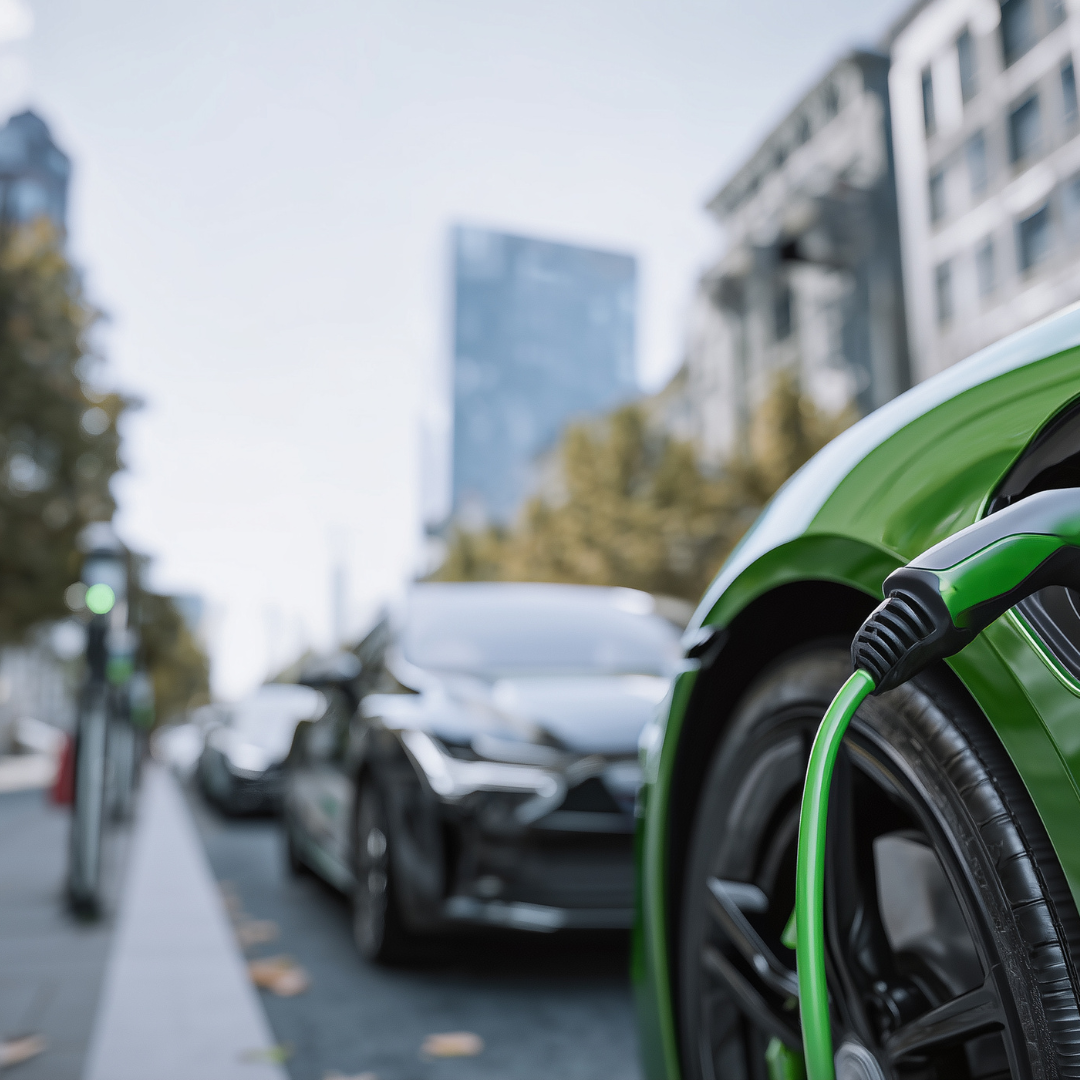
Zero-emission vehicle sales in California reached a new milestone in 2026, with nearly one-third of newly purchased vehicles classified as zero emission. The latest figures reflect continued momentum in the state’s transition toward cleaner transportation technologies and lower-emission mobility systems.
California Continues Shift Toward Cleaner Transportation
The increase in zero-emission vehicle sales highlights California’s expanding role in transportation decarbonization efforts. Consumers across the state are increasingly choosing electric vehicles, hydrogen fuel-cell models, and other low-emission transportation options as automakers continue to expand available inventory and charging infrastructure improves.
Industry analysts note that adoption rates have accelerated steadily over recent years, supported by policy incentives, technological improvements, and growing consumer familiarity with electric transportation. California remains one of the largest markets for zero-emission vehicles in the United States, influencing broader national trends in automotive manufacturing and clean energy investment.
Expanding Infrastructure Supports Adoption
One factor contributing to higher zero-emission vehicle sales is the continued expansion of charging infrastructure throughout California. Public charging stations, workplace charging programs, and residential installation incentives have increased accessibility for drivers considering electric vehicle ownership.
State and local agencies have also partnered with private-sector companies to improve fast-charging networks along major highways and urban centers. These investments are helping reduce concerns about driving range and charging availability, two factors that historically slowed consumer adoption.
Environmental and Economic Impact
The growth of zero-emission vehicle sales supports California’s broader environmental goals, particularly efforts aimed at reducing greenhouse gas emissions and improving air quality. Transportation remains one of the state’s largest sources of emissions, making vehicle electrification a central component of long-term climate strategies.
Reduced reliance on gasoline-powered vehicles may also contribute to lower pollution levels in densely populated urban areas. Environmental researchers suggest that increased adoption of zero-emission vehicles can support public health improvements by decreasing exposure to transportation-related emissions.
Automotive Industry Transformation Continues
The rise in zero-emission vehicle sales is also reshaping the automotive market. Manufacturers continue investing heavily in electric vehicle development, battery technology, and supply chain expansion to meet rising consumer demand.
California’s market performance is often viewed as an indicator of future national trends. As adoption increases, automakers are expected to introduce additional models across multiple price ranges, making zero-emission transportation more accessible to a broader range of consumers.
Consumer Preferences Continue to Evolve
Shifting consumer priorities are playing a significant role in California’s transportation transition. Buyers are increasingly evaluating fuel savings, environmental considerations, and long-term operating costs when selecting vehicles. Improvements in battery performance and vehicle range have also increased confidence in electric transportation technologies.
At the same time, state incentive programs and evolving emissions regulations continue to influence purchasing decisions. These combined factors are contributing to sustained growth in the zero-emission vehicle market across California.
Outlook for Transportation Decarbonization
The latest record in zero-emission vehicle sales suggests California’s transition toward cleaner transportation is continuing to accelerate. Analysts expect adoption rates to remain strong as infrastructure expands, vehicle availability increases, and technology costs gradually decline.
While challenges remain involving grid capacity, charging access equity, and battery supply chains, the current trend reflects substantial progress toward long-term transportation decarbonization goals. California’s continued investment in clean mobility infrastructure is likely to shape the future direction of the automotive industry nationwide.
Read more about California’s record growth in zero-emission vehicle adoption and transportation decarbonization trends through the California Energy Commission’s clean transportation resources.
Stay informed on California clean energy initiatives, transportation policy, and environmental innovation by subscribing to RightSideOfCA.com for in-depth coverage and timely updates.