



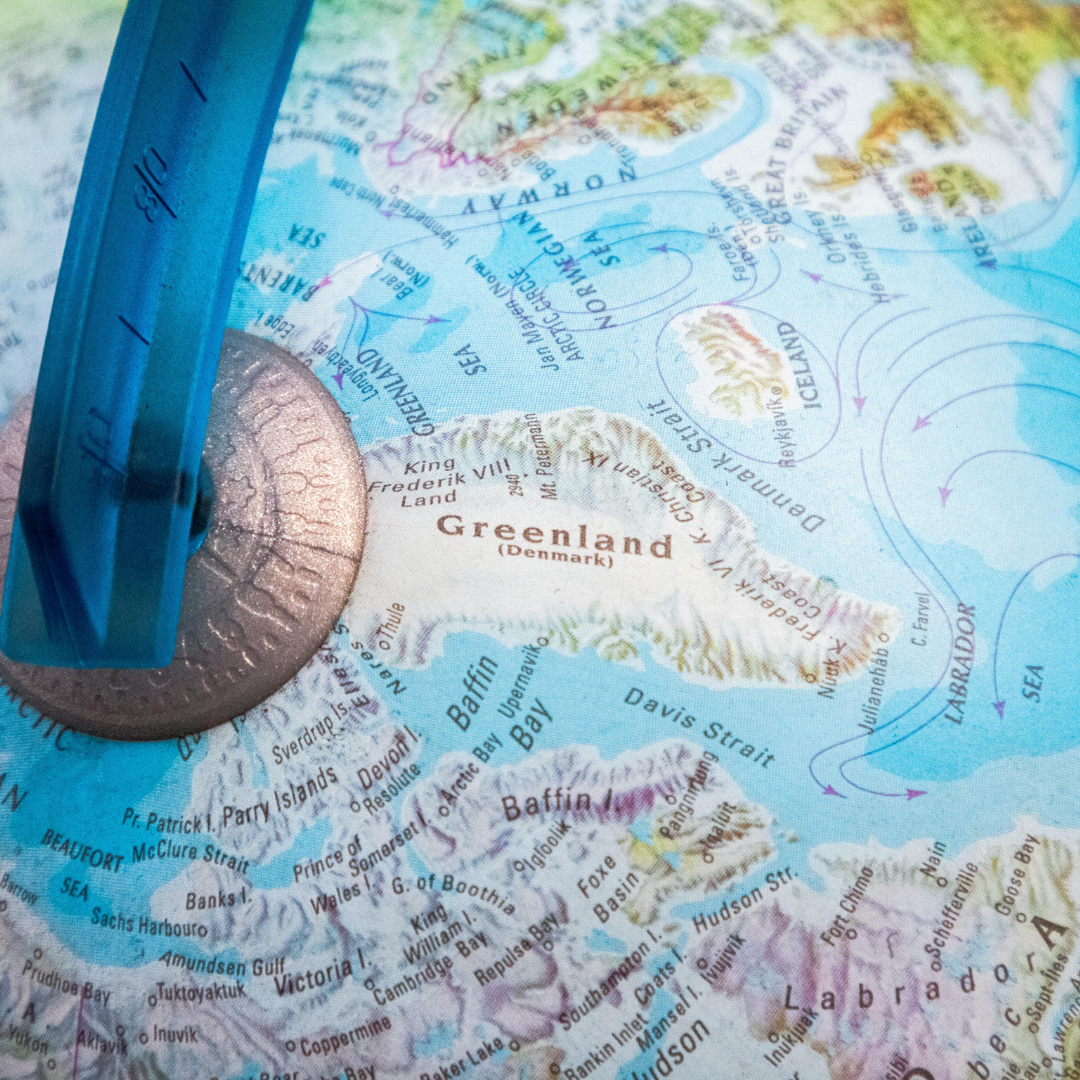
At the World Economic Forum 2026 in Davos, U.S. President Donald J. Trump placed Greenland negotiations at the center of his international agenda, emphasizing the Arctic’s growing strategic importance. Trump framed the issue as a critical component of U.S. security, economic, and geopolitical interests, asserting the need for cooperative engagement with Denmark while maintaining America’s leadership in Arctic policy.
In his Davos address, Trump outlined the United States’ interest in Greenland, highlighting its geographic position, natural resources, and potential for defense and economic partnerships. He stressed that while Greenland is not a candidate for military seizure, Washington seeks formal negotiations to strengthen security and cooperation frameworks in the Arctic. Trump positioned this effort as part of a broader strategy to counter growing Russian and Chinese influence in the region.
Trump’s announcement at the forum marked a renewed emphasis on Arctic diplomacy in 2026. He referenced early discussions with NATO leadership and noted that Denmark had signaled willingness to engage in talks aimed at regional stability. While Trump’s rhetoric drew attention, it also underscored ongoing sensitivities: Greenlandic and Danish authorities reaffirmed that Greenland’s sovereignty is paramount, and any discussions must involve full participation of local and Danish governments.
Arctic Strategy and Global Implications
The Arctic has emerged as a geostrategic flashpoint due to climate change, shipping route access, and untapped energy resources. Trump argued that U.S. involvement in Greenland could provide both economic opportunities and strategic security benefits. He highlighted the potential for joint initiatives with European allies to monitor Arctic security challenges, strengthen energy cooperation, and expand scientific research capabilities in the region.
Trump also emphasized the broader diplomatic dimension of Arctic negotiations. By raising Greenland at Davos, he sought to integrate economic, environmental, and security considerations into a single agenda. The administration’s approach combines military readiness, energy development, and international collaboration, framing Greenland not only as a U.S. interest but also as a point of transatlantic partnership.
The discussions come amid growing international attention on Arctic governance. Other major powers, including Russia and China, have increased investments and operations in the region, raising concerns among NATO allies and Arctic nations. Trump’s push for negotiations signals a desire to solidify U.S. influence and ensure that emerging policies align with both security imperatives and commercial interests.
Diplomatic Responses and Strategic Partnerships
Trump’s remarks elicited a mix of support and cautious responses from global partners. Danish Prime Minister Mette Frederiksen has emphasized respect for Greenland’s autonomy while expressing willingness to engage in talks about regional development and security cooperation. Similarly, Greenlandic officials have reiterated that any formal discussions must include input from local stakeholders to ensure that sovereignty and indigenous rights are upheld.
European allies at Davos reacted carefully to Trump’s statements, balancing concern over perceived unilateralism with acknowledgment of shared security interests. The forum provided a platform to reaffirm collaboration while signaling that Greenland’s future will be shaped through multilateral agreements rather than unilateral initiatives.
Economic and Environmental Considerations
Beyond security, Trump’s focus on Greenland touches on economic and environmental dimensions. The Arctic region holds significant untapped mineral and energy resources, along with emerging shipping lanes that could reshape global trade. Trump framed U.S. involvement as a way to facilitate responsible resource development and foster scientific research, particularly on climate and environmental monitoring, in collaboration with European and Arctic partners.
Observers note that these discussions carry implications for investment, infrastructure development, and environmental policy. Responsible cooperation between the U.S., Denmark, and Greenland could create frameworks for sustainable development that balance economic interests with the protection of fragile ecosystems.
Looking Ahead
Trump’s presence at Davos in 2026 signals an ongoing focus on Arctic diplomacy as a central component of U.S. foreign policy. While the details of any Greenland agreement remain uncertain, the engagement reflects broader strategic priorities: asserting influence in the Arctic, strengthening transatlantic alliances, and promoting cooperative frameworks for economic and security challenges.
As 2026 progresses, attention will focus on the outcomes of negotiations, potential agreements on infrastructure, resource development, and defense cooperation, and the impact on U.S.-European relations. Analysts also note that Greenland’s status in Arctic geopolitics will increasingly shape broader discussions on climate change, indigenous governance, and international law.
For stakeholders, businesses, and policymakers following the developments, understanding the implications of these negotiations is critical. Ongoing updates and analysis will be essential as the situation evolves, offering insight into both strategic decision-making and international collaboration in one of the world’s most geopolitically significant regions.
Read more here.
Stay informed on Arctic policy, U.S.-Greenland negotiations, and global security developments by subscribing to RightSideOfCA.com for in-depth coverage and timely updates.